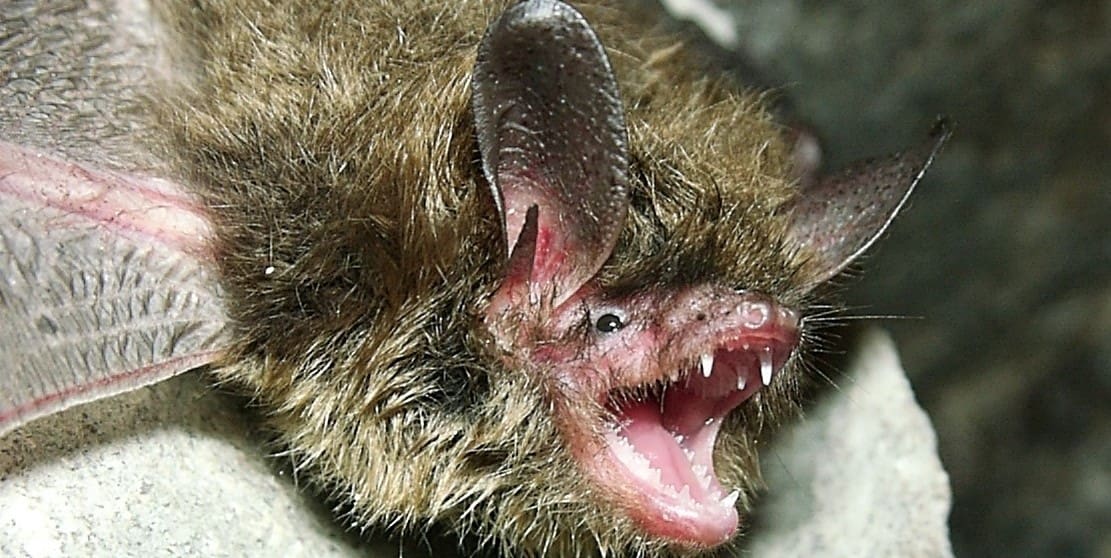
Little brown bats sleep 19.9 hours per day, on average. Giraffes sleep only 1.9 hours per day. That’s a difference of 18 hours per day, even though both bats and giraffes are mammals.
“Large grazing herbivores” are “among the lightest sleepers, reflecting the long hours they spend feeding,” notes The Mammals That Sleep Most and Least. Horses sleep only 2.9 hours per day, donkeys sleep 3.1 hours, African elephants sleep 3.3 hours, and Asian elephants sleep 3.8 hours per day. A goat sleeps 5.3 hours per day, while a cow sleeps 4 hours per day.
By contrast, a thick-tailed opossum sleeps 19.4 hours, and an Eastern American chipmunk sleeps 15.8 hours per day. Armadillos sleep 17.4 to 18.1 hours per day, depending on the species of armadillo. A tiger sleeps 15.8 hours per day.
Howler monkeys sleep 15 to 18 hours a day because their leaf-heavy diet gives them very little energy. Koalas sleep 18-22 hours per day, because the eucalyptus they eat gives them very little energy. Eucalyptus leaves are tough and toxic to most creatures, so it takes a lot of work for koalas’ bodies to break down and digest the leaves.
By contrast, man’s closest relatives, chimpanzees, sleep about 9.5 hours a day. Rhesus monkeys sleep 9-10 hours per day.
“The longest sleepers tend to be small mammals…smaller mammals generally have faster metabolisms and accumulate sleep pressure more quickly. Rather than sleeping in one long stretch, many divide their rest into numerous sleep bouts throughout the day, resulting in very high total sleep times. Safety is another important factor. Mammals that sleep in protected locations, such as caves, burrows, or tree hollows, can remain asleep for longer because they face a lower risk of predation….sheltered sleeping sites are consistently associated with longer sleep durations across mammals,” notes Visual Capitalist.