By Derek Vanbuskirk
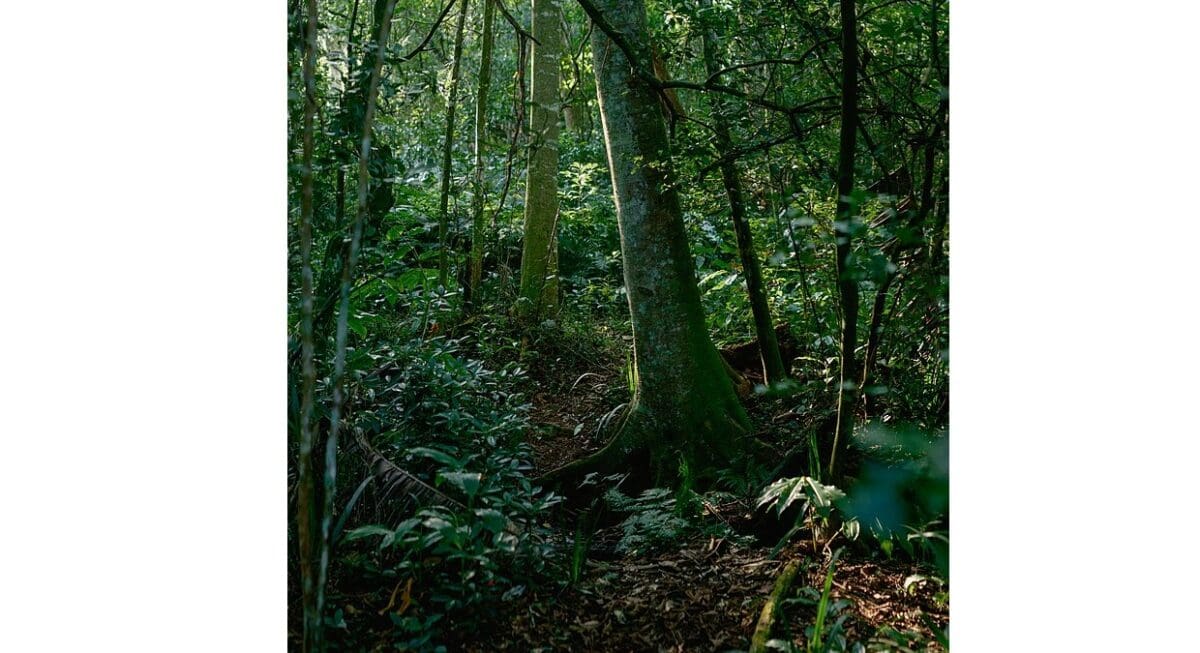
The U.S. Forest Service filed a proposal Tuesday to rescind a 25-year-old rule that had prevented development on 44 million acres, nearly one-third of the National Forest System, the U.S. Department of Agriculture (USDA) announced.
The USDA framed the 2001 Roadless Area Conservation Rule as a “one-size-fits-all restriction” that frustrated land managers and hindered wildfire risk reduction. (RELATED: America Found A Rare Metal It Desperately Needs. Red Tape Could Keep It In The Ground For Ages)
“For too long, outdated restrictions have kept tens of millions of forested acres off-limits to the very treatments that improve forest health and reduce wildfire risk to our communities,” Agriculture Secretary Brooke Rollins said in the statement. “Today, we filed a proposal to restore authority to local forest managers who know the land best, removing the barriers that have kept them from doing the work the land demands. It’s time to turn the page on the failed roadless rule and return our forests to health and productivity.”
@USDA announced the proposed rule and draft environmental impact statement related to the 2001 Roadless Area Conservation Rule to better reduce wildfire risk on national forests and grasslands. We invite you to read and comment on the proposed rule on https://t.co/POO29wE2sO. pic.twitter.com/ieYj3kc4DX
— USDA Forest Service (@forestservice) August 18, 2026
While more USDA officials view the change as “commonsense” and “essential,” groups like the Natural Resources Defense Council (NRDC) said that a 2025 poll found that 76 percent of likely voters support the rule, which protected the land from the construction of new roads, commercial logging and further development.
“The Trump administration is moving to gut our most iconic national forests by giving loggers and drillers free rein to turn them into industrial wastelands. It is trying to walk away from the most successful land conservation policy in modern U.S. history,” NRDC Senior Vice President for Nature Andrew Wetzler said. “The American people will not let this plan stand.”
Gabriella Hoffman, director of the Center for Energy and Conservation at Independent Women, told the Daily Caller that the discussion surrounding the repeal needs more nuance.
“Forested land, like public land, is multiple-use, meaning it can be open to both commercial and recreational uses. The agency explicitly says it won’t mandate timber cutting or road construction, but will allow local national forest managers to be the final arbiters of rules and decisions,” Hoffman said.
She added that it��s “ludicrous to insinuate the Trump administration would shut down access on forestlands, “especially as the Biden administration had previously shut down public lands.
Hoffman said that Congress must tackle this issue itself to prevent frequent rule changes and to avoid further ambiguity.

Republican Govs. Greg Gianforte of Montana and Spencer Cox of Utah joined the USDA in defending the proposal, both saying the changes will allow states to properly care for forests for the benefit of local communities.
“For 25 years, the Roadless Rule has tied the hands of local land managers with a one-size-fits-all federal policy. Rescinding it restores the flexibility to make thoughtful decisions based on the needs of each forest and each community,” Cox said. “We can protect the landscapes we treasure by actively managing them for the next generation.”
The Trump administration has come under fire for other actions critics view as sacrificing conservation efforts to advance private corporate interests.
On Thursday, U.S. Customs and Border Protection (CBP) received pushback after announcing that “limited” infrastructure would be built in Big Bend National Park to reduce illegal border crossings.
Likewise, American duck hunters retaliated against the U.S. Fish and Wildlife Service after it opened public review of a proposal to place drainage pipes in federally protected prairie wetlands that double as important duck breeding grounds. (RELATED: Hunters Cry Fowl Over Trump Review They Fear Could Hammer Duck Populations Nationwide)
A 30-day period has been set to allow for public comment on the proposal before the revision is finalized.







The Easiest Way to Connect TikTok Gifts to GTA V https://streamtoearn.pages.dev
How to Scale Your Games to 4K Without Losing Any Detail https://losslessscaling.pages.dev
Real superb information can be found on web blog. “Life without a friend is death without a witness.” by Eugene Benge.
Good info and right to the point. I am not sure if this is really the best place to ask but do you people have any ideea where to hire some professional writers? Thank you 🙂
Hello, I think your blog might be having browser compatibility issues. When I look at your website in Safari, it looks fine but when opening in Internet Explorer, it has some overlapping. I just wanted to give you a quick heads up! Other then that, amazing blog!
I as well conceive so , perfectly pent post! .
It is appropriate time to make some plans for the future and it’s time to be happy. I’ve read this post and if I could I want to suggest you few interesting things or tips. Perhaps you can write next articles referring to this article. I desire to read more things about it!
Thank you for sharing with us, I believe this website really stands out :D.
Helpful information. Lucky me I discovered your website by accident, and I’m surprised why this accident did not took place earlier! I bookmarked it.
It is truly a nice and helpful piece of information. I’m glad that you shared this useful info with us. Please keep us informed like this. Thank you for sharing.
I went over this website and I think you have a lot of good information, saved to my bookmarks (:.
I wanted to write you a bit of note to help say thank you again on your lovely techniques you have shared on this page. It is tremendously generous of people like you giving unhampered what exactly a few individuals could possibly have distributed as an electronic book to help make some bucks for themselves, certainly considering the fact that you could have done it in case you considered necessary. The basics as well worked as the great way to be aware that other people online have similar eagerness just as my very own to realize much more on the subject of this condition. Certainly there are several more pleasurable instances ahead for individuals that take a look at your blog.
Its like you read my mind! You seem to know so much about this, like you wrote the book in it or something. I think that you can do with a few pics to drive the message home a little bit, but other than that, this is wonderful blog. An excellent read. I will certainly be back.
What i don’t understood is if truth be told how you are now not really much more neatly-appreciated than you might be right now. You are very intelligent. You recognize therefore considerably relating to this topic, made me for my part imagine it from numerous numerous angles. Its like men and women are not involved until it’s one thing to accomplish with Girl gaga! Your individual stuffs outstanding. Always maintain it up!
Hello, you used to write wonderful, but the last several posts have been kinda boringK I miss your super writings. Past few posts are just a bit out of track! come on!
There is clearly a bunch to identify about this. I feel you made certain nice points in features also.
The game variety here is insane! I spent the whole weekend trying different slots and the graphics are top notch. Highly recommend jilihot777 to anyone who loves action.
Very interesting info !Perfect just what I was looking for!
Great post, I think blog owners should larn a lot from this site its very user pleasant.
I was recommended this blog by my cousin. I am now not positive whether this submit is written via him as no one else realize such precise about my trouble. You’re incredible! Thank you!
I haven’t checked in here for a while since I thought it was getting boring, but the last several posts are great quality so I guess I will add you back to my daily bloglist. You deserve it my friend 🙂
Exactly what I was searching for, thanks for putting up.
Rattling clear site, thanks for this post.
Hi this is somewhat of off topic but I was wondering if blogs use WYSIWYG editors or if you have to manually code with HTML. I’m starting a blog soon but have no coding experience so I wanted to get advice from someone with experience. Any help would be greatly appreciated!
I like the valuable info you provide in your articles. I will bookmark your blog and check again here regularly. I’m quite certain I will learn many new stuff right here! Good luck for the next!
My spouse and I absolutely love your blog and find many of your post’s to be just what I’m looking for. Would you offer guest writers to write content for you personally? I wouldn’t mind writing a post or elaborating on some of the subjects you write with regards to here. Again, awesome web log!
There is evidently a bundle to realize about this. I consider you made certain good points in features also.
Sweet internet site, super design and style, real clean and utilise genial.
I would like to thank you for the efforts you’ve put in writing this blog. I’m hoping the same high-grade site post from you in the upcoming also. Actually your creative writing abilities has encouraged me to get my own site now. Actually the blogging is spreading its wings rapidly. Your write up is a good example of it.
You have brought up a very excellent details, thanks for the post.
Howdy would you mind stating which blog platform you’re using? I’m planning to start my own blog soon but I’m having a tough time deciding between BlogEngine/Wordpress/B2evolution and Drupal. The reason I ask is because your layout seems different then most blogs and I’m looking for something completely unique. P.S Sorry for getting off-topic but I had to ask!
Write more, thats all I have to say. Literally, it seems as though you relied on the video to make your point. You definitely know what youre talking about, why waste your intelligence on just posting videos to your blog when you could be giving us something enlightening to read?
Wonderful items from you, man. I’ve be mindful your stuff prior to and you’re simply extremely great. I really like what you have bought right here, certainly like what you are saying and the way through which you say it. You’re making it enjoyable and you continue to care for to stay it smart. I can’t wait to learn much more from you. This is really a great site.
Hey there! Would you mind if I share your blog with my twitter group? There’s a lot of people that I think would really appreciate your content. Please let me know. Cheers
I don’t commonly comment but I gotta tell thankyou for the post on this one :D.
I really appreciate this post. I’ve been looking all over for this! Thank goodness I found it on Bing. You have made my day! Thx again!
I’m really impressed with your writing skills as well as with the layout on your weblog. Is this a paid theme or did you modify it yourself? Anyway keep up the nice quality writing, it is rare to see a great blog like this one today..
Normally I don’t read article on blogs, but I would like to say that this write-up very forced me to try and do it! Your writing style has been surprised me. Thanks, quite nice post.
Hi there, You have performed a fantastic job. I’ll certainly digg it and in my view suggest to my friends. I am sure they’ll be benefited from this site.
Very interesting info !Perfect just what I was looking for!
Pretty! This was a really wonderful post. Thank you for your provided information.
You are my aspiration, I possess few blogs and rarely run out from to post .
Thank you, I’ve recently been searching for info about this topic for a long time and yours is the best I have discovered till now. However, what in regards to the bottom line? Are you sure concerning the supply?
Your place is valueble for me. Thanks!…
Hi there! This is kind of off topic but I need some guidance from an established blog. Is it hard to set up your own blog? I’m not very techincal but I can figure things out pretty quick. I’m thinking about creating my own but I’m not sure where to begin. Do you have any tips or suggestions? Cheers
Do you have a spam issue on this site; I also am a blogger, and I was wanting to know your situation; we have developed some nice practices and we are looking to trade techniques with others, please shoot me an e-mail if interested.
I’ve recently started a site, the information you provide on this site has helped me greatly. Thanks for all of your time & work.
Thank you for sharing excellent informations. Your web-site is very cool. I am impressed by the details that you have on this site. It reveals how nicely you understand this subject. Bookmarked this website page, will come back for extra articles. You, my friend, ROCK! I found simply the information I already searched everywhere and simply couldn’t come across. What an ideal web site.
After examine just a few of the blog posts on your website now, and I truly like your manner of blogging. I bookmarked it to my bookmark website checklist and shall be checking again soon. Pls check out my website online as effectively and let me know what you think.
I have to express my gratitude for your kindness giving support to men who must have help with this important matter. Your personal commitment to getting the solution across became really advantageous and has without exception encouraged somebody like me to attain their ambitions. Your amazing informative publication denotes a great deal a person like me and additionally to my office workers. Regards; from each one of us.
Having read this I thought it was very informative. I appreciate you taking the time and effort to put this article together. I once again find myself spending way to much time both reading and commenting. But so what, it was still worth it!
Thank you for another informative site. Where else could I get that kind of info written in such a perfect way? I have a project that I’m just now working on, and I have been on the look out for such info.
I have been exploring for a little for any high quality articles or weblog posts in this sort of house . Exploring in Yahoo I eventually stumbled upon this website. Reading this information So i am satisfied to express that I have an incredibly excellent uncanny feeling I discovered just what I needed. I such a lot undoubtedly will make sure to don’t put out of your mind this web site and provides it a look regularly.
Solid platform with a lot of exciting options. I really appreciate the transparency in their terms. Give phkavbet a go
I like the valuable information you provide in your articles. I will bookmark your weblog and check again here frequently. I am quite sure I’ll learn many new stuff right here! Good luck for the next!
Hello! I could have sworn I’ve been to this site before but after browsing through some of the post I realized it’s new to me. Anyways, I’m definitely happy I found it and I’ll be bookmarking and checking back often!
Magnificent web site. Plenty of useful information here. I am sending it to several friends ans also sharing in delicious. And certainly, thanks for your sweat!
Great wordpress blog here.. It’s hard to find quality writing like yours these days. I really appreciate people like you! take care
I’ll immediately snatch your rss as I can not in finding your e-mail subscription hyperlink or e-newsletter service. Do you have any? Please allow me realize in order that I may subscribe. Thanks.
When I initially commented I clicked the “Notify me when new comments are added” checkbox and now each time a comment is added I get four e-mails with the same comment. Is there any way you can remove me from that service? Thanks a lot!
I discovered your blog site on google and check a few of your early posts. Continue to keep up the very good operate. I just additional up your RSS feed to my MSN News Reader. Seeking forward to reading more from you later on!…
The very heart of your writing whilst sounding reasonable initially, did not work perfectly with me personally after some time. Someplace within the sentences you actually managed to make me a believer but only for a while. I nevertheless have a problem with your jumps in assumptions and you would do well to fill in all those breaks. In the event that you actually can accomplish that, I could definitely be amazed.
I’m not that much of a online reader to be honest but your sites really nice, keep it up! I’ll go ahead and bookmark your website to come back down the road. Cheers
Its like you read my mind! You seem to know a lot about this, like you wrote the ebook in it or something. I think that you simply can do with some percent to drive the message house a bit, but other than that, that is great blog. An excellent read. I’ll certainly be back.
Wonderful blog! I found it while browsing on Yahoo News. Do you have any suggestions on how to get listed in Yahoo News? I’ve been trying for a while but I never seem to get there! Thanks
I’m not that much of a online reader to be honest but your blogs really nice, keep it up! I’ll go ahead and bookmark your site to come back later. All the best
I’d have to test with you here. Which isn’t something I normally do! I take pleasure in studying a put up that may make folks think. Also, thanks for permitting me to comment!
Awsome info and right to the point. I am not sure if this is really the best place to ask but do you folks have any thoughts on where to get some professional writers? Thx 🙂
Very nice post. I just stumbled upon your weblog and wished to say that I’ve really enjoyed surfing around your blog posts. In any case I’ll be subscribing to your rss feed and I’m hoping you write once more soon!
Excellent beat ! I wish to apprentice while you amend your website, how could i subscribe for a weblog site? The account helped me a appropriate deal. I have been a little bit familiar of this your broadcast offered bright transparent idea
Thank you a bunch for sharing this with all of us you actually recognise what you’re speaking about! Bookmarked. Kindly also consult with my site =). We will have a link alternate contract between us!
hello there and thank you for your info – I’ve definitely picked up something new from right here. I did however expertise a few technical issues using this site, since I experienced to reload the web site a lot of times previous to I could get it to load properly. I had been wondering if your hosting is OK? Not that I am complaining, but slow loading instances times will sometimes affect your placement in google and could damage your high quality score if ads and marketing with Adwords. Anyway I’m adding this RSS to my e-mail and can look out for much more of your respective fascinating content. Make sure you update this again soon..
I’ve been surfing online more than three hours today, yet I never found any interesting article like yours. It is pretty worth enough for me. In my view, if all web owners and bloggers made good content as you did, the web will be much more useful than ever before.
I went over this site and I conceive you have a lot of wonderful information, saved to my bookmarks (:.
I do consider all of the ideas you’ve offered for your post. They are very convincing and will certainly work. Nonetheless, the posts are very short for beginners. May you please prolong them a little from subsequent time? Thank you for the post.
you have a great blog here! would you like to make some invite posts on my blog?
Wow, wonderful blog structure! How lengthy have you ever been running a blog for? you make blogging look easy. The whole look of your web site is magnificent, as neatly as the content!
pkrs789 has a great community feel. The games are fair and the rewards are legit. I’ve spent a few hours here this week and I’m really enjoying the vibe.
I think you have noted some very interesting points, thanks for the post.
There are actually a whole lot of details like that to take into consideration. That is a nice point to bring up. I provide the ideas above as basic inspiration but clearly there are questions like the one you deliver up the place a very powerful thing shall be working in trustworthy good faith. I don?t know if greatest practices have emerged round issues like that, however I am certain that your job is clearly recognized as a fair game. Each girls and boys feel the influence of only a second’s pleasure, for the remainder of their lives.
Really Appreciate this update, is there any way I can get an email whenever you write a fresh article?
Howdy! Do you use Twitter? I’d like to follow you if that would be okay. I’m definitely enjoying your blog and look forward to new posts.
I discovered your weblog site on google and test a number of of your early posts. Continue to keep up the excellent operate. I simply extra up your RSS feed to my MSN Information Reader. Looking for ahead to reading extra from you afterward!…
This is really interesting, You’re a very skilled blogger. I’ve joined your rss feed and look forward to seeking more of your magnificent post. Also, I’ve shared your site in my social networks!
Hi, Neat post. There’s a problem with your site in internet explorer, would test this… IE still is the market leader and a big portion of people will miss your fantastic writing because of this problem.
I as well as my pals appeared to be looking at the great secrets and techniques on your website then the sudden I got a terrible feeling I never thanked you for those secrets. Most of the young men were definitely very interested to study all of them and have now absolutely been tapping into these things. Thank you for really being considerably thoughtful and then for picking out this kind of terrific information millions of individuals are really wanting to understand about. My very own sincere regret for not expressing gratitude to earlier.
I was curious if you ever considered changing the layout of your blog? Its very well written; I love what youve got to say. But maybe you could a little more in the way of content so people could connect with it better. Youve got an awful lot of text for only having one or 2 pictures. Maybe you could space it out better?
Thanks a bunch for sharing this with all of us you actually know what you are talking about! Bookmarked. Please also visit my site =). We could have a link exchange agreement between us!
Nice weblog right here! Additionally your web site a lot up very fast! What host are you the use of? Can I am getting your affiliate hyperlink on your host? I want my web site loaded up as quickly as yours lol
Good write-up, I am regular visitor of one’s site, maintain up the nice operate, and It’s going to be a regular visitor for a long time.
I have been absent for a while, but now I remember why I used to love this web site. Thank you, I will try and check back more often. How frequently you update your website?
Almost all of whatever you mention happens to be supprisingly precise and it makes me ponder why I had not looked at this in this light previously. This piece really did switch the light on for me as far as this particular topic goes. Nonetheless at this time there is actually just one issue I am not really too comfortable with so whilst I make an effort to reconcile that with the actual core idea of your point, let me see exactly what all the rest of your readers have to say.Very well done.
It’s really a cool and helpful piece of information. I’m glad that you shared this useful info with us. Please keep us informed like this. Thanks for sharing.
Very interesting subject , regards for posting.
Thank you for sharing superb informations. Your web-site is very cool. I am impressed by the details that you’ve on this blog. It reveals how nicely you understand this subject. Bookmarked this website page, will come back for more articles. You, my pal, ROCK! I found simply the information I already searched everywhere and just couldn’t come across. What a perfect web site.
I enjoy the efforts you have put in this, thank you for all the great posts.
I believe this site contains some very good info for everyone. “He is able who thinks he is able.” by Buddha.
I went over this internet site and I think you have a lot of wonderful information, saved to my bookmarks (:.
Hi! I know this is somewhat off topic but I was wondering if you knew where I could find a captcha plugin for my comment form? I’m using the same blog platform as yours and I’m having trouble finding one? Thanks a lot!
magnificent post, very informative. I wonder why the other specialists of this sector don’t notice this. You should continue your writing. I am sure, you’ve a great readers’ base already!
Greetings! Very helpful advice on this article! It is the little changes that make the biggest changes. Thanks a lot for sharing!
Good write-up, I am normal visitor of one’s web site, maintain up the nice operate, and It is going to be a regular visitor for a lengthy time.
Great beat ! I would like to apprentice while you amend your site, how can i subscribe for a blog web site? The account helped me a acceptable deal. I had been tiny bit acquainted of this your broadcast provided bright clear idea
I like this site its a master peace ! Glad I discovered this on google .
Hello, Neat post. There’s a problem together with your website in internet explorer, would test thisK IE nonetheless is the market chief and a large part of other folks will leave out your great writing because of this problem.
Your place is valueble for me. Thanks!…
This really answered my problem, thank you!
Wonderful post however , I was wondering if you could write a litte more on this topic? I’d be very thankful if you could elaborate a little bit more. Bless you!
It’s really a nice and useful piece of information. I’m glad that you shared this useful info with us. Please keep us up to date like this. Thank you for sharing.
Wow, marvelous blog layout! How lengthy have you ever been running a blog for? you made blogging glance easy. The full glance of your web site is fantastic, as neatly as the content!
Great post. I was checking constantly this blog and I am impressed! Very useful information particularly the last part 🙂 I care for such information much. I was seeking this certain information for a long time. Thank you and best of luck.
I don’t ordinarily comment but I gotta tell thanks for the post on this perfect one :D.
Lovely just what I was searching for.Thanks to the author for taking his clock time on this one.
Hi! I’m at work surfing around your blog from my new apple iphone! Just wanted to say I love reading your blog and look forward to all your posts! Keep up the fantastic work!
It’s really a nice and useful piece of info. I’m glad that you shared this helpful information with us. Please keep us informed like this. Thanks for sharing.
Amazing! This blog looks just like my old one! It’s on a totally different topic but it has pretty much the same layout and design. Superb choice of colors!
What i do not understood is in reality how you are not really much more well-liked than you may be right now. You’re so intelligent. You already know thus significantly with regards to this topic, produced me in my opinion imagine it from a lot of various angles. Its like men and women are not interested unless it is something to accomplish with Lady gaga! Your personal stuffs excellent. All the time maintain it up!
My wife and i felt joyous when Louis managed to deal with his reports while using the precious recommendations he got through the blog. It’s not at all simplistic just to find yourself making a gift of tips and hints which often other folks have been selling. And now we do understand we have you to thank for this. The type of explanations you have made, the easy website menu, the relationships your site help to create – it is everything astonishing, and it’s really aiding our son in addition to our family consider that that situation is interesting, and that is very serious. Many thanks for the whole lot!
I enjoy your work, thanks for all the informative articles.
Saya secara tidak sengaja menemukan website Anda dan saya harus mengatakan bahwa saya sangat terkesan. Teruskan pekerjaan yang bagus.
You have remarked very interesting details ! ps nice internet site.
It’s hard to find knowledgeable people on this topic, but you sound like you know what you’re talking about! Thanks
Some truly nice stuff on this site, I love it.
It’s hard to find knowledgeable people on this topic, but you sound like you know what you’re talking about! Thanks
I as well as my guys appeared to be looking at the excellent items found on your web site then unexpectedly I got a terrible suspicion I had not thanked the site owner for those techniques. These women appeared to be for that reason warmed to read them and have sincerely been tapping into these things. Many thanks for being quite helpful and then for using such smart guides most people are really desperate to understand about. Our own honest regret for not expressing gratitude to sooner.
Hello. excellent job. I did not anticipate this. This is a excellent story. Thanks!
Hello! I could have sworn I’ve been to this blog before but after browsing through some of the post I realized it’s new to me. Anyways, I’m definitely happy I found it and I’ll be book-marking and checking back frequently!
Youre so cool! I dont suppose Ive read something like this before. So good to find any person with some unique ideas on this subject. realy thanks for beginning this up. this website is one thing that is needed on the web, somebody with a little originality. helpful job for bringing something new to the internet!
You should take part in a contest for one of the best blogs on the web. I will recommend this site!
Your place is valueble for me. Thanks!…
Thanks for sharing excellent informations. Your site is so cool. I am impressed by the details that you have on this site. It reveals how nicely you understand this subject. Bookmarked this web page, will come back for extra articles. You, my friend, ROCK! I found simply the information I already searched everywhere and simply could not come across. What a great website.
There’s noticeably a bundle to know about this. I assume you made certain nice points in features also.
Greetings! Very helpful advice on this article! It is the little changes that make the biggest changes. Thanks a lot for sharing!
Hey! I know this is kinda off topic nevertheless I’d figured I’d ask. Would you be interested in trading links or maybe guest writing a blog post or vice-versa? My blog goes over a lot of the same subjects as yours and I believe we could greatly benefit from each other. If you’re interested feel free to send me an email. I look forward to hearing from you! Wonderful blog by the way!
you’ve an excellent weblog right here! would you prefer to make some invite posts on my weblog?
Generally I don’t read post on blogs, however I wish to say that this write-up very forced me to take a look at and do it! Your writing taste has been amazed me. Thank you, very nice post.
I just couldn’t depart your site before suggesting that I actually enjoyed the standard information a person provide for your visitors? Is gonna be back often to check up on new posts
Your place is valueble for me. Thanks!…
I got what you mean ,saved to fav, very nice web site.
What i don’t understood is if truth be told how you are now not really much more well-preferred than you might be right now. You are so intelligent. You already know therefore significantly in the case of this subject, made me in my opinion imagine it from numerous various angles. Its like women and men aren’t fascinated unless it’s something to accomplish with Woman gaga! Your own stuffs excellent. At all times take care of it up!
I used to be very happy to search out this internet-site.I wanted to thanks to your time for this excellent read!! I definitely having fun with every little bit of it and I have you bookmarked to take a look at new stuff you weblog post.
I’m not that much of a internet reader to be honest but your sites really nice, keep it up! I’ll go ahead and bookmark your website to come back later. Cheers
Hey there, You’ve done a great job. I’ll definitely digg it and personally suggest to my friends. I’m confident they will be benefited from this web site.
whoah this weblog is magnificent i really like studying your articles. Stay up the great work! You already know, a lot of individuals are searching around for this info, you could help them greatly.
I must show my gratitude for your generosity for people that have the need for help with the niche. Your very own commitment to getting the message up and down had been exceptionally effective and have surely allowed people just like me to arrive at their aims. The informative help and advice indicates this much to me and far more to my fellow workers. Thanks a ton; from each one of us.
Thank you a lot for sharing this with all people you really realize what you are speaking approximately! Bookmarked. Please additionally consult with my site =). We may have a link alternate arrangement among us!
Điều gì tạo nên hương vị đặc trưng của trà xanh Thái Nguyên?Ba yếu tố chính làm nên danh tiếng của chè Thái Nguyên là thổ nhưỡng, khí hậu và kỹ thuật chế biến. Đất trồng chè tại đây là loại đất feralit vàng đỏ phát triển trên phù sa cổ, giàu khoáng chất, kết hợp với khí hậu ôn hòa, bốn mùa rõ rệt, biên độ nhiệt ngày đêm khá lớn giúp cây chè tích lũy nhiều tinh dầu và các hợp chất tạo hương đặc trưng.
Merely a smiling visitor here to share the love (:, btw outstanding design. “He profits most who serves best.” by Arthur F. Sheldon.
I have been browsing online greater than 3 hours as of late, yet I never discovered any fascinating article like yours. It’s pretty value sufficient for me. In my view, if all webmasters and bloggers made excellent content as you probably did, the internet will be a lot more useful than ever before.
I really like looking at and I believe this website got some truly useful stuff on it! .
Hi, just required you to know I he added your site to my Google bookmarks due to your layout. But seriously, I believe your internet site has 1 in the freshest theme I??ve came across. It extremely helps make reading your blog significantly easier.
My brother recommended I might like this web site. He was once totally right. This put up truly made my day. You cann’t consider just how a lot time I had spent for this info! Thanks!
Deference to author, some good entropy.
Merely wanna comment on few general things, The website pattern is perfect, the content is real superb : D.
I was reading through some of your articles on this internet site and I think this site is really informative ! Retain putting up.
Good info and straight to the point. I don’t know if this is actually the best place to ask but do you people have any ideea where to employ some professional writers? Thanks 🙂
You actually make it appear really easy with your presentation however I in finding this topic to be really one thing that I believe I would never understand. It seems too complicated and very extensive for me. I’m having a look ahead on your next put up, I’ll try to get the hang of it!
I conceive you have observed some very interesting details, thanks for the post.
Only a smiling visitor here to share the love (:, btw outstanding design. “Everything should be made as simple as possible, but not one bit simpler.” by Albert Einstein.
Very efficiently written post. It will be beneficial to anyone who utilizes it, including myself. Keep doing what you are doing – for sure i will check out more posts.
It’s actually a great and useful piece of info. I am happy that you just shared this helpful info with us. Please keep us informed like this. Thank you for sharing.
Hello there! This post couldn’t be written any better! Reading this post reminds me of my previous room mate! He always kept chatting about this. I will forward this article to him. Fairly certain he will have a good read. Many thanks for sharing!
There is noticeably a lot to identify about this. I feel you made certain nice points in features also.
Thanks for this post, I am a big big fan of this internet site would like to proceed updated.
whoah this blog is great i love reading your posts. Keep up the great work! You know, many people are looking around for this information, you could aid them greatly.
I’ve read a few good stuff here. Definitely value bookmarking for revisiting. I surprise how so much attempt you set to create this sort of magnificent informative web site.
I just couldn’t depart your site prior to suggesting that I actually enjoyed the standard information a person provide for your visitors? Is going to be back often to check up on new posts
Fantastic beat ! I would like to apprentice at the same time as you amend your web site, how can i subscribe for a blog web site? The account aided me a appropriate deal. I have been a little bit familiar of this your broadcast provided shiny clear concept
Hello very cool blog!! Man .. Excellent .. Wonderful .. I’ll bookmark your website and take the feeds additionallyKI’m glad to search out numerous helpful info right here in the submit, we need develop more techniques in this regard, thank you for sharing. . . . . .
I believe this internet site holds some rattling good info for everyone :D. “America is not merely a nation but a nation of nations.” by Lyndon B. Johnson.
My spouse and I absolutely love your blog and find many of your post’s to be precisely what I’m looking for. Do you offer guest writers to write content for you? I wouldn’t mind writing a post or elaborating on a few of the subjects you write about here. Again, awesome blog!
What i don’t realize is actually how you are not really much more well-liked than you might be right now. You are so intelligent. You realize thus significantly relating to this subject, made me personally consider it from so many varied angles. Its like women and men aren’t fascinated unless it is one thing to do with Lady gaga! Your own stuffs nice. Always maintain it up!
I don’t even know the way I stopped up here, however I believed this put up was great. I do not realize who you might be but certainly you are going to a well-known blogger for those who aren’t already 😉 Cheers!
I am not rattling fantastic with English but I come up this real easy to translate.
I’ve been exploring for a little bit for any high-quality articles or blog posts on this kind of house . Exploring in Yahoo I eventually stumbled upon this site. Studying this information So i am satisfied to show that I have a very just right uncanny feeling I discovered just what I needed. I so much no doubt will make certain to do not fail to remember this web site and give it a glance regularly.
That is the fitting weblog for anyone who wants to search out out about this topic. You notice a lot its nearly exhausting to argue with you (not that I truly would want…HaHa). You positively put a brand new spin on a subject thats been written about for years. Great stuff, simply great!
Hello.This post was really remarkable, particularly since I was browsing for thoughts on this topic last Sunday.
Hi, Neat post. There’s a problem with your web site in internet explorer, would test this… IE still is the market leader and a large portion of people will miss your magnificent writing due to this problem.
I really appreciate this post. I’ve been looking all over for this! Thank goodness I found it on Bing. You’ve made my day! Thx again
Very interesting topic, thankyou for putting up. “Challenge is a dragon with a gift in its mouthTame the dragon and the gift is yours.” by Noela Evans.
You have brought up a very superb details , thanks for the post.
I have been exploring for a little bit for any high quality articles or weblog posts on this kind of house . Exploring in Yahoo I finally stumbled upon this web site. Reading this information So i’m glad to show that I have a very just right uncanny feeling I found out exactly what I needed. I such a lot indisputably will make certain to do not omit this site and provides it a glance on a continuing basis.
Excellent read, I just passed this onto a colleague who was doing a little research on that. And he actually bought me lunch because I found it for him smile Therefore let me rephrase that: Thank you for lunch!
Generally I do not learn article on blogs, however I wish to say that this write-up very pressured me to check out and do so! Your writing taste has been surprised me. Thanks, quite great article.
Hi I am so thrilled I found your blog page, I really found you by error, while I was looking on Bing for something else, Regardless I am here now and would just like to say kudos for a fantastic post and a all round exciting blog (I also love the theme/design), I don’t have time to go through it all at the minute but I have saved it and also added in your RSS feeds, so when I have time I will be back to read a lot more, Please do keep up the excellent job.
whoah this blog is great i love reading your posts. Keep up the great work! You know, many people are looking around for this info, you can help them greatly.
I truly enjoy reading through on this internet site, it has got good blog posts. “Beware lest in your anxiety to avoid war you obtain a master.” by Demosthenes.
My brother suggested I might like this web site. He was entirely right. This post truly made my day. You can not imagine simply how much time I had spent for this information! Thanks!
Thanks for helping out, great info. “Nobody can be exactly like me. Sometimes even I have trouble doing it.” by Tallulah Bankhead.
There are some interesting points in time in this article but I don’t know if I see all of them heart to heart. There may be some validity however I will take maintain opinion until I look into it further. Good article , thanks and we want more! Added to FeedBurner as well
I do trust all of the concepts you have presented for your post. They are very convincing and will certainly work. Nonetheless, the posts are very brief for beginners. May just you please prolong them a bit from subsequent time? Thanks for the post.
Wonderful blog! I found it while browsing on Yahoo News. Do you have any suggestions on how to get listed in Yahoo News? I’ve been trying for a while but I never seem to get there! Cheers
Thanks for sharing superb informations. Your site is so cool. I am impressed by the details that you have on this blog. It reveals how nicely you perceive this subject. Bookmarked this website page, will come back for more articles. You, my friend, ROCK! I found simply the information I already searched all over the place and simply couldn’t come across. What a great site.
Thanks for another informative website. Where else could I get that kind of info written in such a perfect way? I have a project that I’m just now working on, and I have been on the look out for such information.
I’ve recently started a website, the info you offer on this site has helped me tremendously. Thank you for all of your time & work.
Nice post. I learn something more challenging on different blogs everyday. It will always be stimulating to read content from other writers and practice a little something from their store. I’d prefer to use some with the content on my blog whether you don’t mind. Natually I’ll give you a link on your web blog. Thanks for sharing.
I’m not positive where you’re getting your information, however great topic. I needs to spend a while finding out more or figuring out more. Thanks for magnificent information I used to be searching for this information for my mission.
What i do not realize is in truth how you’re now not actually much more smartly-liked than you might be now. You are very intelligent. You realize therefore significantly on the subject of this topic, produced me individually imagine it from a lot of numerous angles. Its like women and men aren’t involved until it is something to accomplish with Girl gaga! Your personal stuffs excellent. Always take care of it up!
There is apparently a lot to know about this. I consider you made certain good points in features also.
Terrific paintings! This is the type of info that should be shared around the internet. Disgrace on the seek engines for no longer positioning this post upper! Come on over and seek advice from my website . Thanks =)
Its like you learn my mind! You seem to grasp a lot about this, like you wrote the book in it or something. I believe that you can do with a few p.c. to drive the message house a little bit, but instead of that, that is wonderful blog. A fantastic read. I’ll definitely be back.
Normally I don’t read article on blogs, but I would like to say that this write-up very forced me to try and do so! Your writing style has been surprised me. Thanks, quite nice post.
Hi! This is my first visit to your blog! We are a collection of volunteers and starting a new initiative in a community in the same niche. Your blog provided us valuable information to work on. You have done a marvellous job!
What i don’t realize is actually how you’re not really much more well-liked than you might be right now. You’re so intelligent. You realize thus considerably relating to this subject, produced me personally consider it from so many varied angles. Its like women and men aren’t fascinated unless it is one thing to accomplish with Lady gaga! Your own stuffs excellent. Always maintain it up!
I truly appreciate this post. I’ve been looking all over for this! Thank goodness I found it on Bing. You have made my day! Thanks again
Just what I was looking for, regards for putting up.
Valuable info. Lucky me I found your web site by accident, and I’m shocked why this accident did not happened earlier! I bookmarked it.
I’ve been absent for a while, but now I remember why I used to love this web site. Thanks, I’ll try and check back more often. How frequently you update your web site?
Oh my goodness! an incredible article dude. Thanks Nonetheless I’m experiencing difficulty with ur rss . Don’t know why Unable to subscribe to it. Is there anyone getting similar rss drawback? Anybody who is aware of kindly respond. Thnkx
My brother suggested I may like this website. He used to be totally right. This publish actually made my day. You cann’t imagine simply how much time I had spent for this info! Thanks!
You made some decent points there. I did a search on the topic and found most individuals will go along with with your website.
Hi there! Someone in my Myspace group shared this site with us so I came to take a look. I’m definitely loving the information. I’m bookmarking and will be tweeting this to my followers! Wonderful blog and amazing design and style.
very good submit, i actually love this website, carry on it
I genuinely appreciate your piece of work, Great post.
Once I originally commented I clicked the -Notify me when new comments are added- checkbox and now every time a comment is added I get 4 emails with the same comment. Is there any means you may remove me from that service? Thanks!
As I website owner I think the content material here is very excellent, appreciate it for your efforts.
순천출장마사지 타임케어 – 순천출장홈타이와 순천출장안마 순천홈타이 서비스를 전국 어디서나 24시간 편하게! 전문 마사지사의 맞춤 홈케어로 피로를 빠르게 해소
I will immediately grasp your rss feed as I can not in finding your email subscription hyperlink or e-newsletter service. Do you’ve any? Kindly permit me recognise so that I may just subscribe. Thanks.
Yeah bookmaking this wasn’t a high risk conclusion great post! .
비아그라 구매 전 알아야 할 국내 처방 절차와 약국 이용 방법, 가격 확인 기준을 안내합니다. 실데나필 성분, 정품 확인 시 주의점, 복용 전 상담사항과 자주 묻는 질문을 확인하세요.
Its wonderful as your other content : D, thankyou for putting up. “History is a pact between the dead, the living, and the yet unborn.” by Edmund Burke.
인천출장마사지 인천출장안마 셀럽의 코스별 가격과 현장 결제, 예약 방법을 확인하세요. 송도·청라·부평·구월동·영종 등 지역별 방문 가능 여부와 예상 도착 시간, 자택·호텔 이용 안내를 제공합니다.
Good day! I simply wish to give a huge thumbs up for the good information you’ve right here on this post. I might be coming back to your blog for extra soon.
I likewise think thence, perfectly pent post! .
Wohh just what I was looking for, appreciate it for posting.
Hi my friend! I wish to say that this post is awesome, nice written and include approximately all important infos. I would like to see more posts like this.
I was just looking for this info for some time. After six hours of continuous Googleing, finally I got it in your website. I wonder what is the lack of Google strategy that don’t rank this type of informative websites in top of the list. Normally the top websites are full of garbage.
Greetings from Carolina! I’m bored to death at work so I decided to browse your blog on my iphone during lunch break. I enjoy the information you provide here and can’t wait to take a look when I get home. I’m amazed at how quick your blog loaded on my phone .. I’m not even using WIFI, just 3G .. Anyhow, excellent blog!
I savor, lead to I discovered just what I was looking for. You’ve ended my four day long hunt! God Bless you man. Have a nice day. Bye
I am happy that I discovered this web site, exactly the right information that I was looking for! .
강남구구단 방문을 준비하고 있다면 가격 구성, 이용 방식, 예약 절차와 위치 확인사항을 살펴보세요. 인원·시간에 따른 상담 항목과 자주 묻는 질문을 한곳에 정리했습니다.
As a Newbie, I am constantly searching online for articles that can aid me. Thank you
I am glad to be one of many visitors on this great website (:, appreciate it for posting.
Hi there, just became aware of your blog through Google, and found that it is truly informative. I’m going to watch out for brussels. I’ll be grateful if you continue this in future. Many people will be benefited from your writing. Cheers!
It’s actually a nice and useful piece of info. I’m glad that you just shared this useful information with us. Please stay us informed like this. Thank you for sharing.
Howdy would you mind sharing which blog platform you’re working with? I’m planning to start my own blog in the near future but I’m having a tough time making a decision between BlogEngine/Wordpress/B2evolution and Drupal. The reason I ask is because your design and style seems different then most blogs and I’m looking for something unique. P.S Sorry for being off-topic but I had to ask!
I saw a lot of website but I think this one has got something special in it in it
Really wonderful information can be found on website.
Enjoyed examining this, very good stuff, thanks.
Hello, i think that i saw you visited my site so i came to “return the favor”.I am attempting to find things to improve my site!I suppose its ok to use some of your ideas!!
A powerful share, I simply given this onto a colleague who was doing a bit of evaluation on this. And he actually bought me breakfast as a result of I discovered it for him.. smile. So let me reword that: Thnx for the deal with! However yeah Thnkx for spending the time to debate this, I feel strongly about it and love reading extra on this topic. If attainable, as you change into expertise, would you mind updating your blog with more details? It’s extremely helpful for me. Large thumb up for this blog put up!
There are actually loads of particulars like that to take into consideration. That may be a great level to deliver up. I supply the ideas above as common inspiration however clearly there are questions just like the one you deliver up where the most important thing will probably be working in sincere good faith. I don?t know if finest practices have emerged around issues like that, but I am sure that your job is clearly recognized as a fair game. Each girls and boys really feel the affect of just a second’s pleasure, for the remainder of their lives.
Right now it looks like Drupal is the preferred blogging platform available right now. (from what I’ve read) Is that what you are using on your blog?
Hello.This article was extremely motivating, particularly since I was searching for thoughts on this matter last couple of days.