“Last year, Beijing hosted a half marathon for both humanoid robots and humans. The robots performed poorly, with the fastest mechanical finisher trailing the fastest human by nearly three hours. This year’s race was a different story: the fastest robot finished in just 50 minutes and 26 seconds, beating the human half-marathon world record,” notes The Doomslayer.
Reuters reports:
Dozens of Chinese-made humanoid robots showed off their fast-improving athleticism and autonomous navigation skills as they whizzed past human runners in a half-marathon race in Beijing on Sunday, highlighting the sector’s rapid technical advances.
The race’s inaugural edition last year was riddled with mishaps, and most robots were unable to finish. Last year’s champion robot recorded a time of 2 hours 40 minutes, more than double the time of the human winner of the conventional race.
This year’s contrast was stark. Not only had the number of participating teams increased from 20 to more than 100, but several robot frontrunners were noticeably faster than professional athletes, beating the human winners by more than 10 minutes.
Unlike last year, nearly half of the robot entrants navigated the tougher terrain autonomously instead of being directed by remote control during the 21-km (13-mile) race. The robots and 12,000 men and women ran in parallel tracks to avoid collisions.
The winning robot, developed by Chinese smartphone brand Honor, finished the race in 50 minutes and 26 seconds, several minutes faster than the half-marathon world record set by Ugandan runner Jacob Kiplimo in Lisbon last month.
Robots are saving lives by doing difficult and dangerous tasks. German robots hunted the North Sea for tens of thousands of unexploded World War II bombs.
Self-driving cars and robotaxis are spreading, which will save more lives, because self-driving cars are much less likely to get into accidents than human drivers. Driverless trucks are now on the road in Texas.
Nanorobots are also being used to fight cancer. “In a major advancement in nanomedicine, Arizona State University scientists…have successfully programmed nanorobots to shrink tumors by cutting off their blood supply.” Scientists have also developed tiny robots made of human cells to repair damaged cells.
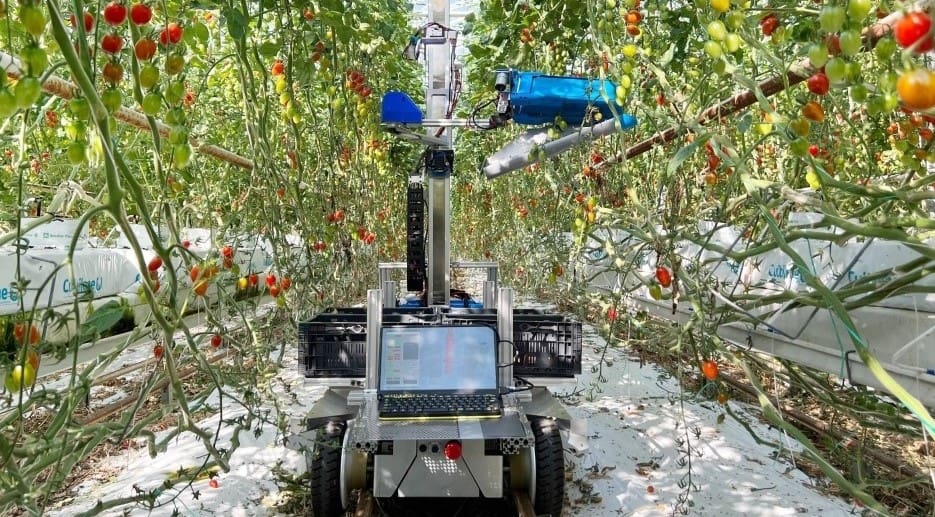
Robots with artificial intelligence have been spreading on Japanese farms. In the U.S., farming robots now use artificial intelligence to kill 100,000 weeds per hour. Drones with artificial intelligence will make farming easier.




The performance gap highlights the exponential growth in electromechanical efficiency. This isn’t just about running; it’s about optimizing complex systems. Whether analyzing advanced robotics or predicting user behavior in a high-engagement digital space like a ph85 app casino, predictive modeling is key to understanding peak performance. Fascinating times for automation!