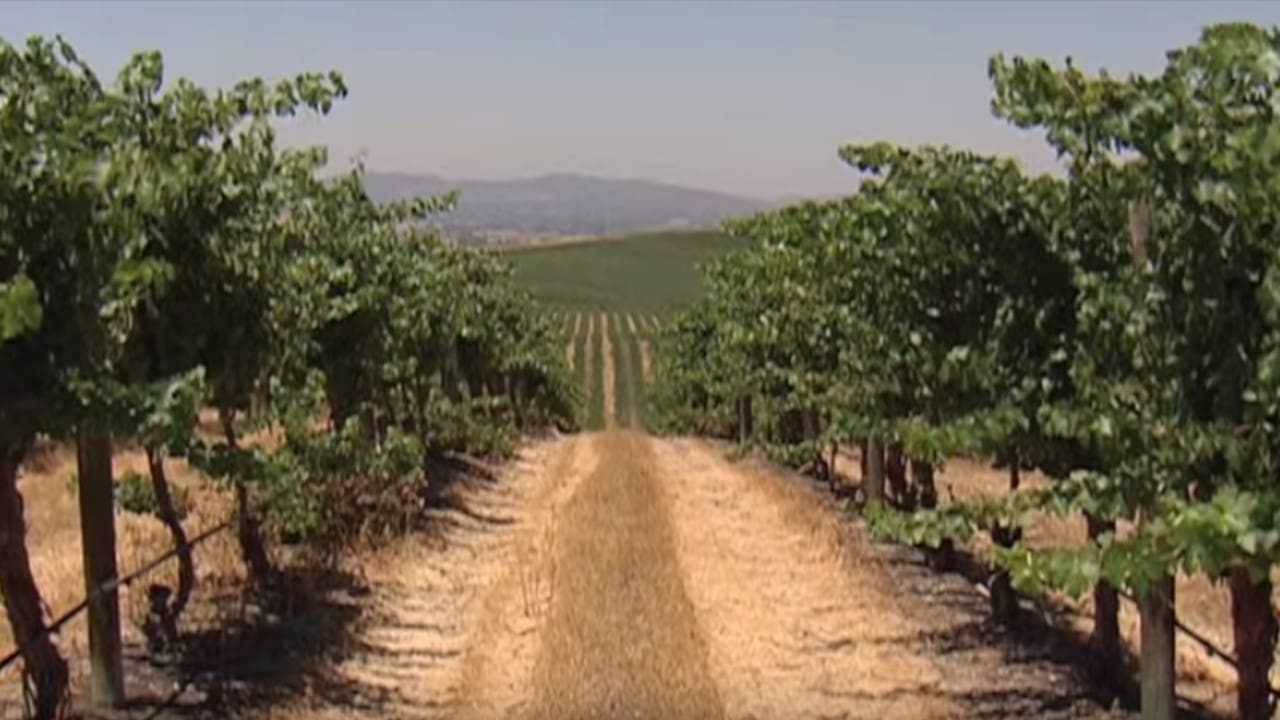
At 11,811 feet “above sea level in Tibet, grapes grow against the odds. Winters freeze the ground along the Yarlung Tsangpo River, ultraviolet radiation is intense, and the surrounding mountains rise from an arid plateau. Yet here, Pazhu Winery is producing thousands of bottles of chardonnay, ice wine and an indigenous red called Yajiang No. 1,” reports Bloomberg News:
For generations, livelihoods in Shannan, an area often referred to as the cradle of Tibetan civilization, have centered on herding yak, sheep and goats, or growing barley on unforgiving patches of land. That routine is changing as China’s decade-long gambit to make Tibet a wine-producing region finally bears fruit. Pazhu now operates vineyards across the region, including one recognized by Guinness World Records as the highest in the world.Pazhu has yet to turn a profit, but that may be beside the point….Beyond building a local wine industry, the vineyard is creating jobs, attracting tourists and showcasing the government’s poverty-alleviation and modernization policies.The winery has 80 full-time workers, earning as much as 8,000 yuan ($1,191) per month… An additional 3,000 people from 10 nearby villages take turns working in the vineyard, part of what Li calls a “near-to-home work” model.
A new canal in China shortens shipping distances by as much as 350 miles.
Elephants are making a comeback in China, where they are found in the southwestern province of Yunnan.
A freshwater porpoise is making a comeback in China.
Snub-nosed monkeys are also making a comeback in China.
A giant fish believed to be extinct was found in the Mekong River, a 2,700 mile long river in Asia that flows from the Tibetan highlands to southern Vietnam.
The extinction rate is falling as fewer species are becoming extinct annually.
Bison have made a comeback in Europe. “In the 1920s, there were just 54 European bison, all in captive areas, after intense hunting over millennia, but thanks to rewilding efforts there are now around 10,000″ bison in Europe, “mostly in Russia and Belarus.”
Przewalski’s horses — the only surviving wild horse species — have proliferated in China over the last 40 years.




Best platform I have encountered in a long time. The bonuses are generous and the support team is very helpful. Log in to brazino777entrar now
Lossless Scaling Frame Gen On Steam Deck The Easy Way https://lsfg.pythonanywhere.com