Foreigners are more optimistic about artificial intelligence than Americans are

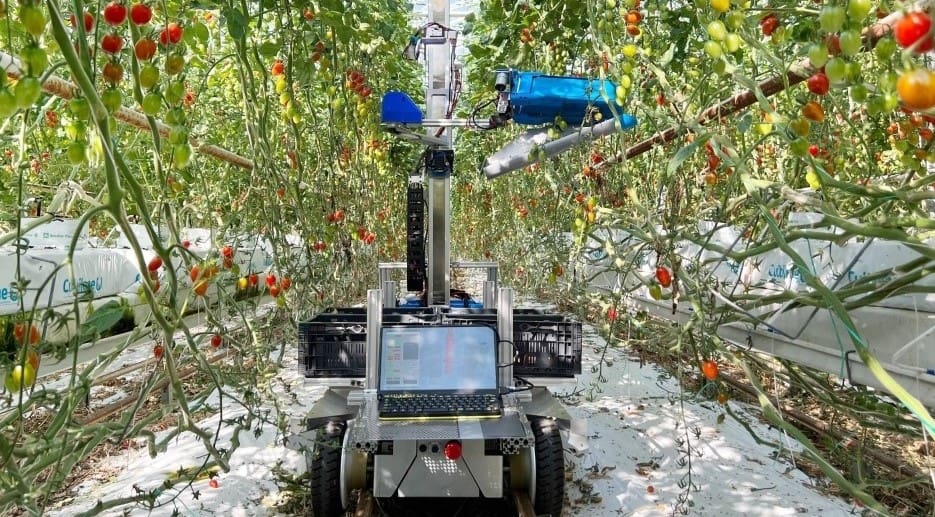
“A recent Gallup survey found widespread international optimism about artificial intelligence. In 32 of the 37 countries surveyed, AI-aware adults who expected the technology to improve their daily lives outnumbered those who expected it to make their lives worse. And in 34 countries, more AI-aware adults reported feeling at least one positive emotion about AI—curiosity, happiness, or excitement—than reported a negative emotion—worry, sadness, or anger,” notes The Doomslayer.
But that masks big differences from country to country in how people feel about artificial intelligence. Chinese, Vietnamese, Israelis, Kenyans, and Nigerians are very optimistic about artificial intelligence. Americans, Afghans. and Egyptians are much more pessimistic about artificial intelligence. China is the world’s most populous country, and Nigeria, like the United States, is one of the world’s most populous countries. So the countries that are optimistic about AI have more people than the counties that are more pessimistic about it.
“Positive emotions are most widespread in China (90%), Singapore (89%) and Kenya (87%),” Gallup says. People in those countries think AI will make their daily life better, and help most people in their country. By contrast, only 36% of Americans, 37% of Afghans, and 35% of Egyptians think AI will mostly help people in their country.
Artificial intelligence appears to be creating more jobs than it is destroying in America.
Kenyan farmers are using artificial intelligence to produce much more food.
Artificial intelligence helped a company detect a big source of geothermal energy.
The nation of Zambia used artificial intelligence to find new mineral wealth.
Artificial intelligence is greatly improving the detection of many different diseases.
Artificial intelligence is improving hurricane predictions.



Discover a New Cloud Mining Experience and Explore the Technology Behind It https://tigerm.pages.dev
The launcher you can actually read. https://genesi.surge.sh
Lossless Scaling For Steam Deck The Complete Guide https://lsfg.pages.dev
Çok yararlı bir makale olmuş. Severek takip ediyorum. Teşekkür ederim.
Free Trial Wallet Finder – Download Now https://walletbuster.surge.sh
gerçekten güzel bir yazı olmuş. Yanlış bildiğimiz bir çok konu varmış. Teşekkürler.
Verdiginiz bilgiler için teşekkürler , güzel yazı olmuş
Discover a Fresh New Crypto Mining Platform and See What It Has to Offer You https://tigerm.pages.dev
I’ve been trying a few different spots lately and this one really stands out. The interface is smooth and the payouts are quick. Definitely check out br234bet if you want a reliable experience.