“Kangaroo Island, a large island off the Southern coast of Australia, has been fully cleared of invasive feral pigs, setting the stage for a recovery of native species,” reports The Doomslayer.
Mirage News adds:
Kangaroo Island is the largest island anywhere in the world on which an established population of feral pigs has been eradicated, making this a globally significant achievement for environmental and agricultural management.
The eradication of feral pigs on Australia’s third largest island delivers much-needed protection for local native species and agricultural industries…
Launched in 2020 in the wake of the Black Summer bushfires, the Kangaroo Island Feral Pig Eradication Program removed 878 feral pigs, with the last known sows removed in March 2024.
While the 2019/20 bushfires caused significant damage to the island’s environment, industries and civilian infrastructure, it also killed about 90 per cent of the feral pig population on Kangaroo Island – providing a once-in-a-lifetime opportunity to eradicate a damaging pest species from the island.
In July 2024, the feral pig eradication program entered a two-year ‘proof of freedom’ phase, which included an extensive and targeted surveillance program across high-risk areas. During this time, no detections or signs of feral pigs were recorded, which has provided a high degree of confidence that feral pigs are no longer present on the island.
Kangaroo Island has an area of over 1,700 square miles.
An invasive worm is destroying forest floors and gardens across the United States.
Artificial intelligence is being used to eradicate invasive species, such as a creature that devastated bird populations in the Orkney Islands.
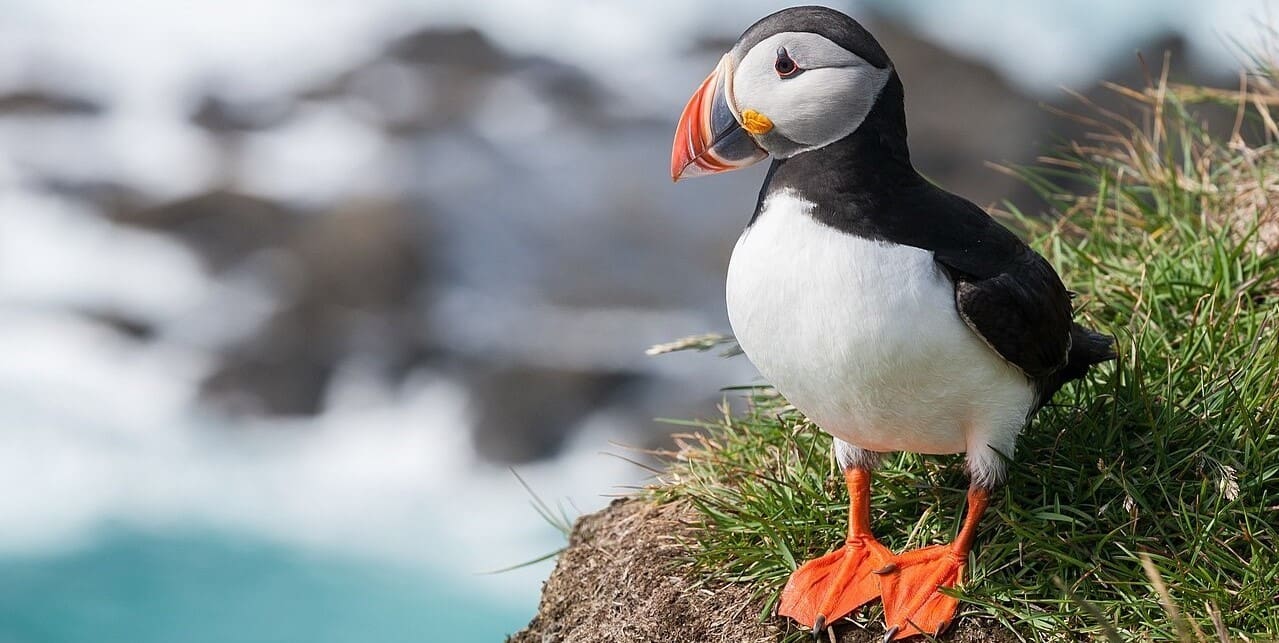
Puffins have made a comeback on the Isle of Muck after a successful rat eradication effort.
22 seabird species have returned to Mexico’s Pacific Islands, mainly due to efforts to remove invasive species that killed them or destroyed their habitat. Conservationists “removed 60 populations of invasive mammals from 39 islands: rats, cats, mice, dogs, donkeys, goats, and rabbits. With invasive mammals gone, the stage was set for seabirds to return. Even after the mammal invaders are removed it’s not always easy to convince seabirds to recolonize an island.”
“Seabirds, crabs, geckos, and native flora are flourishing on Bikar Atoll and Jemo Islet—two small islands in the Marshalls—after conservationists successfully eradicated invasive rats,” reported The Doomslayer.
A wasp is saving one of the world’s rarest birds from extinction.




https://shorturl.fm/MQDlR