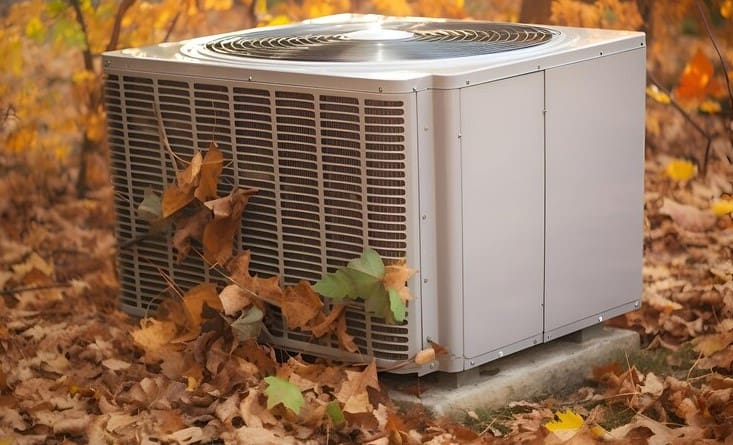
Without air conditioning, it is very hard to work in the middle of the day in hot Southeast Asian countries like Thailand. But the Iran War has cut off oil and gas shipments from the Persian Gulf to the rest of the world. That is resulting in energy shortages in Asia, and making many office workers go without air conditioning in hot, humid Southeast Asian cities like Bangkok and Ho Chi Minh City:
A heat wave sweeping across Southeast Asia is making offices even warmer, as workers continue to adjust to energy-saving measures put in place by governments due to the war in Iran.
Many countries have imposed temperature controls at government workplaces since the war began, among other measures to conserve energy. As the prolonged shutdown of the Strait of Hormuz drains energy reserves, relief does not look to be coming anytime soon with parts of the region set to bake in abnormally hot conditions in the months ahead.
Among the hardest-hit countries is Thailand, where temperatures soared to above 40C (104F) in recent weeksand the Bangkok government has issued multiple “dangerous” heat warnings. In March, the Thai government ordered public sector officesto set air conditioner temperatures at 26C-27C.
“Sometimes it even feels hard to breathe,” said Pornpimol Sirimai, who works at the health ministry and has bought electric fans to cool down. “The canteen and even the 7-Eleven downstairs are cooler than our office, which is why people end up gathering there.”
The installation of air conditioning in Singapore was key to that nation’s increase in productivity and prosperity, according to that nation’s longtime prime Minister Lee Kuan Yew, because it enabled officeworkers to work even in the day’s peak temperatures.




Really digging your deep dive! For data-driven insights, checking out bbjl games‘s metrics is clutch. Love how they emphasize statistical transparency-that’s what separates theory from actual betting edge!
https://shorturl.fm/pMO4V