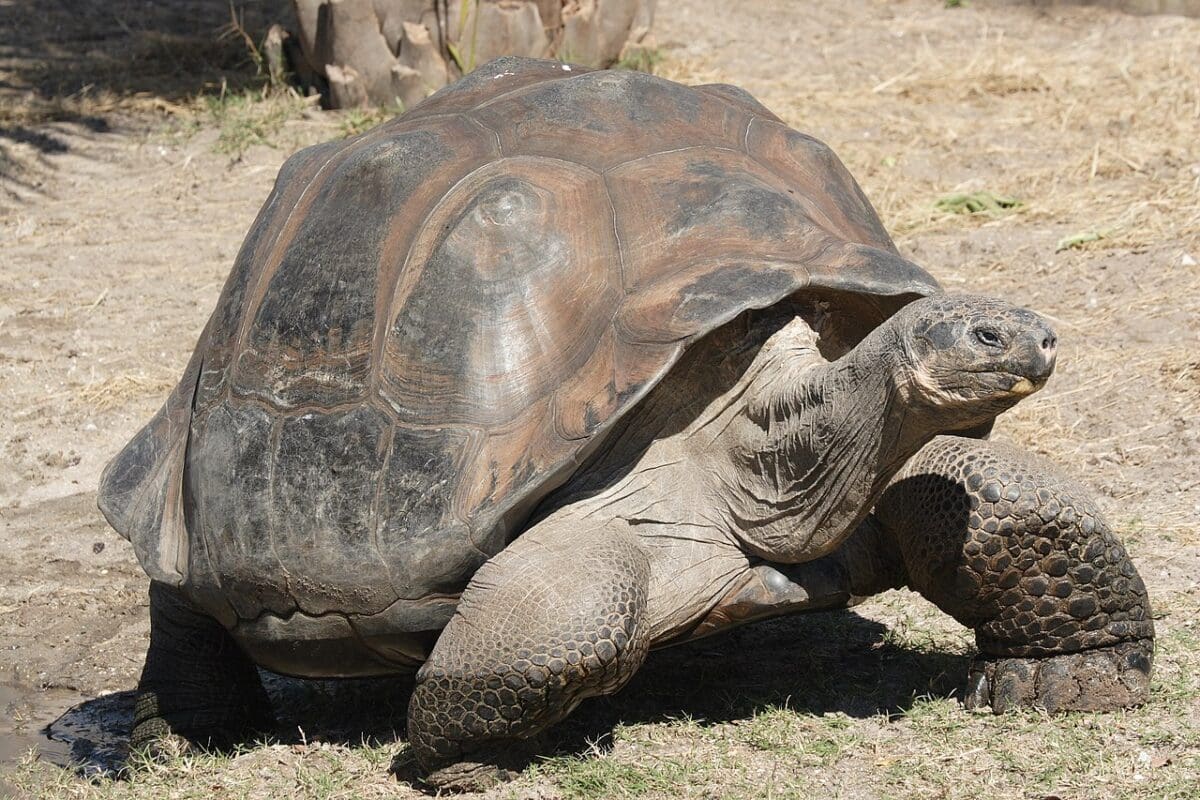
“An ambitious attempt to restore the Galápagos Island of Floreana to its pre-discovery state is making progress. The initiative aims to eradicate invasive rats, cats, and other non-native animals, rebuild native habitats, and reintroduce around a dozen locally extinct species, including giant tortoises. Conservationists report that native wildlife is already starting to rebound,” notes The Doomslayer.
Science reports:
On Floreana … efforts are underway to rid the island of invasive rats and cats and restore its native vegetation. The work, part of a sprawling $15 million effort, is among the most ambitious projects ever mounted to bring an island back to its natural state. In the coming years, project leaders hope to reintroduce 12 native species…
The effort has already seen some successes. In 2024, scientists moved 19 Floreana tortoises to a protected pen on the island…
Scientists also noticed a resurgence of native animals in recent years, including beetles, butterflies, snails, geckos, lava lizards, and the Galápagos rail, a bird once thought to be extinct on Floreana.
Floreana was one of the first of the Galápagos Islands to be inhabited by people. Pirates began using it as a pit stop in the late 1600s. British and American whalers treated it as a stopover for their Pacific Ocean hunts in the 1700s. Settlers arrived to farm, bringing with them cattle, goats, donkeys, cats, and, accidentally, rats.
Conservation groups have been working to rid many islands in the Galápagos of invasive species and restore their flora and fauna. The most ambitious project is taking shape on Floreana Island.
Artificial intelligence is being used to eradicate invasive species in the Orkney Islands.
Baby giant tortoises are thriving in the Seychelles islands in the Indian Ocean, after the first successful hatching of the species using artificial incubation: “One week after the intervention, the 13 babies are building up their strength on a diet of banana slices and leafy greens in Seychelles, which is home to one of the last remaining populations of the tortoise.” These turtles are Aldabra giant tortoises, some of the largest and longest-lived reptiles in the world. They can reach a size of 550 pounds and live over a century.
Most species of sea turtles are rebounding across the world.
“Seabirds, crabs, geckos, and native flora are flourishing on Bikar Atoll and Jemo Islet—two small islands in the Marshalls—after conservationists successfully eradicated invasive rats.”
22 seabird species have returned to Mexico’s Pacific Islands, after removal of invasive species that killed them or destroyed their habitat.





Monetize your influence—become an affiliate today!
Get started instantly—earn on every referral you make!
Become our partner now and start turning referrals into revenue!