“The government of Zanzibar is using drones as part of its efforts to fully eliminate malaria from the archipelago. Conventional anti-malaria strategies like bed-net distribution, rapid treatment, and insecticide spraying helped bring malaria prevalence in Zanzibar below 1 percent by 2008. Since then, however, progress toward elimination has largely stalled, with malaria transmission fluctuating at low levels. To help finish the job, Zanzibar health officials are using drones to locate stagnant water where mosquitoes lay their eggs, allowing workers to target the sites with larvicide,” reports The Doomslayer.
Zanzibar is “rolling out artificial intelligence and drone technology to hunt down the archipelago’s last remaining mosquito breeding sites” with the assistance of Japan’s SORA Technology. “AI-powered drones can map and identify larval breeding habitats in hard-to-reach terrain within hours—a task that previously took public health teams up to three days. Once identified, the exact GPS coordinates are targeted for immediate biolarviciding.”
Zanzibar was once an independent country off the coast of east Africa, but it merged with the African country of Tanganyika to form the nation of Tanzania in 1964.
Tanzania encourages tourists to visit Zanzibar:
Also known as the Spice Island, the beautiful island of Zanzibar is full of culture and history, shinning white-sand beaches with palms swaying lazily in the sea breeze, together makes Zanzibar a fabulous place to explore as well as a dream to relax and unwind.
Zanzibar is the semi-autonomous part of Tanzania in East Africa. It is composed of the Zanzibar Archipelago in the Indian Ocean, 25–50 kilometres (16–31 mi) off the coast of the mainland, and consists of many small islands and two large ones: Unguja (the main island, referred to informally as Zanzibar) and Pemba. The capital is Zanzibar City, located on the island of Unguja. Its historic centre is Stone Town, which is a World Heritage Site.
The Island is heaven for water sports activities such as swimming, snorkelling, diving with lots of luminous fish or just grazing over nearby coral gardens and pods of dolphins frolic offshore. The smooth beaches make the day dazzling in the sun.
The historic Stone Town sits in the island’s capital, Zanzibar. The historic heart lets you imagine yourself floating back in time. The Spice Tour gives the opportunity to head out into the live plantations to see, touch and taste Zanzibar’s many spices in its natural environment. Some of the exotic flavours include cloves, vanilla, nutmeg, cinnamon, and other spices that have made the island famous.
Zanzibar also has seaweed farms. 25,000 people in Zanzibar farm seaweed.
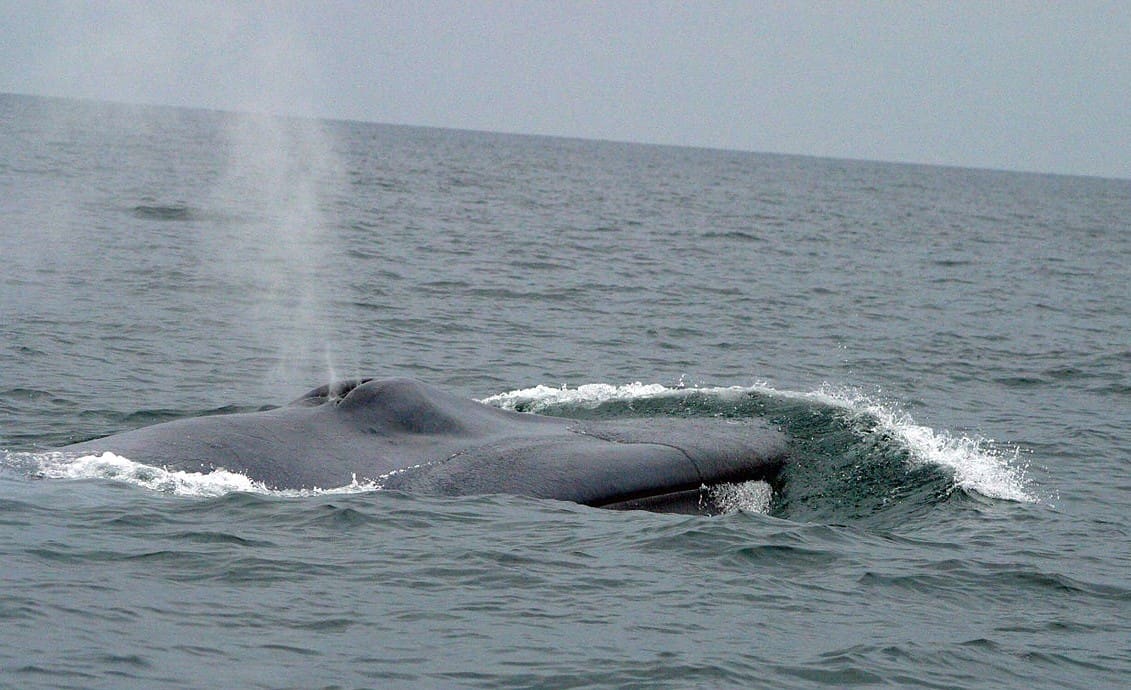
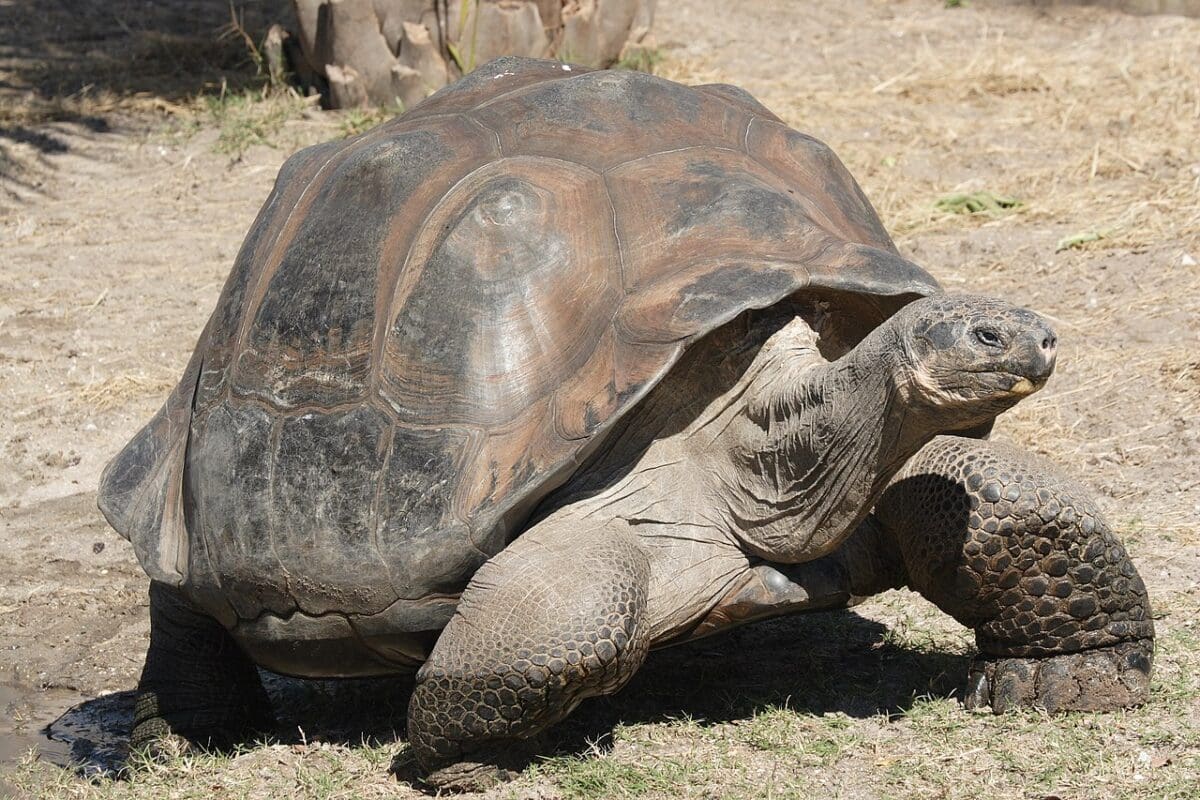
You can watch giant tortoises and dolphins in Zanzibar, and go to spice farms and the beach.
Drones are also providing vaccines to immunize hundreds of thousands of children in the African nations of Ghana and Kenya, protecting them against potentially lethal diseases.
Agricultural drones are spreading worldwide, especially across East and Southeast Asia. They’re mainly used to spray agrochemicals—a job that, in many poorer countries, is still carried out by hand,” reports The Doomslayer. Drones are common in Vietnam, even though Vietnam is much poorer than the United States — it has a per capita income of about $5,000, compared to over $70,000 in the U.S.