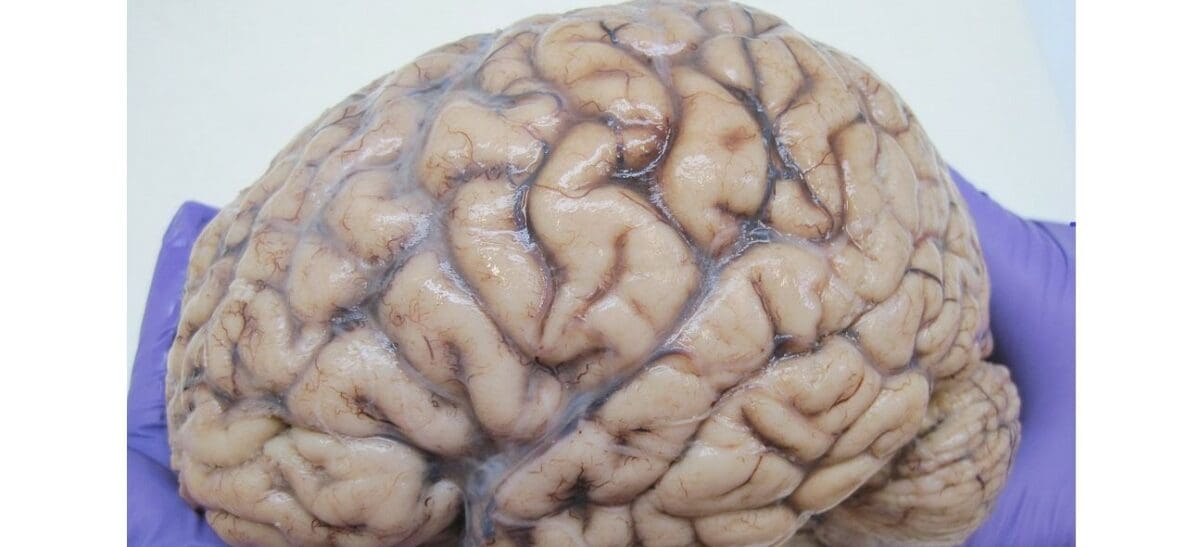
“In a small, early-stage trial, an experimental RNA-modulating drug cut seizures by an average of 80 percent in children with Dravet syndrome, a treatment-resistant congenital form of epilepsy,” notes The Doomslayer.
The Guardian explains:
Scientists have hailed a potentially life-changing drug for children with a hard to treat form of epilepsy, after promising early clinical trial results.
Dravet syndrome is a genetic disorder which causes treatment resistant epilepsy and is often accompanied by speech and developmental delays. About 3,000 people are thought to have the condition in the UK. Current treatments aim to control the number and severity of seizures, but often do not work.
These preliminary trials, led by UCL and Great Ormond Street hospital (GOSH), found that the drug appeared to be safe and well tolerated by the 81 children taking part.
Before the study, the participants – aged between two and 18 – experienced an average of 17 seizures a month. But after taking a 70mg dose of Zorevunersen, they had on average 50% fewer seizures, and about 80% fewer seizures after three doses.
The study, published in The New England Journal of Medicine, also showed improved quality of life, including motor skills, communication and ability to cope.
Dr Alfredo Gonzalez-Sulser called the findings “incredibly exciting” and said they could open the door to new treatments for other hard-to-treat forms of epilepsy. “There are now over 800 genetic epilepsies that need therapeutics similar to Zorevunersen. This sets a clear path to achieve effective interventions for these severe life-altering diseases for both patients and carers,” said Gonzalez-Sulser, who is at the Institute for Neuroscience and Cardiovascular Research.
In other news, Great Britain recently “welcomed its first baby born via a transplanted womb” from a deceased donor.
And “Neuralink has now implanted its brain chip in 21 people with paralysis, allowing them to use digital tools like computers and cameras with their minds. According to a company blog post, some chip recipients can now operate a computer as fast or faster than the typical able-bodied user,” noted The Doomslayer.
Earlier, scientists at Stanford “built a brain implant that can translate a person’s internal thoughts into spoken words in real time. This system taps into the motor cortex, bypassing the need to attempt actual speech, and even includes a mental ‘password’ that can turn the thought decoding on and off.”



Chasing that altılı dream? Nesine’s a great place to play. Good luck to everyone! Check the options: nesine altılı.
Typo alert! You probably meant Nesine. Here’s the correct link: nedine. Hope you find what you’re looking for.
Thinking about being an agent for 747? I’m curious about the 747 agent commission myself. Anyone know more about how that works? Seems like a good side hustle. Let’s find out! 747 agent commission