Bearded vultures return to the Alps, a century after being hunted to extinction in the wild

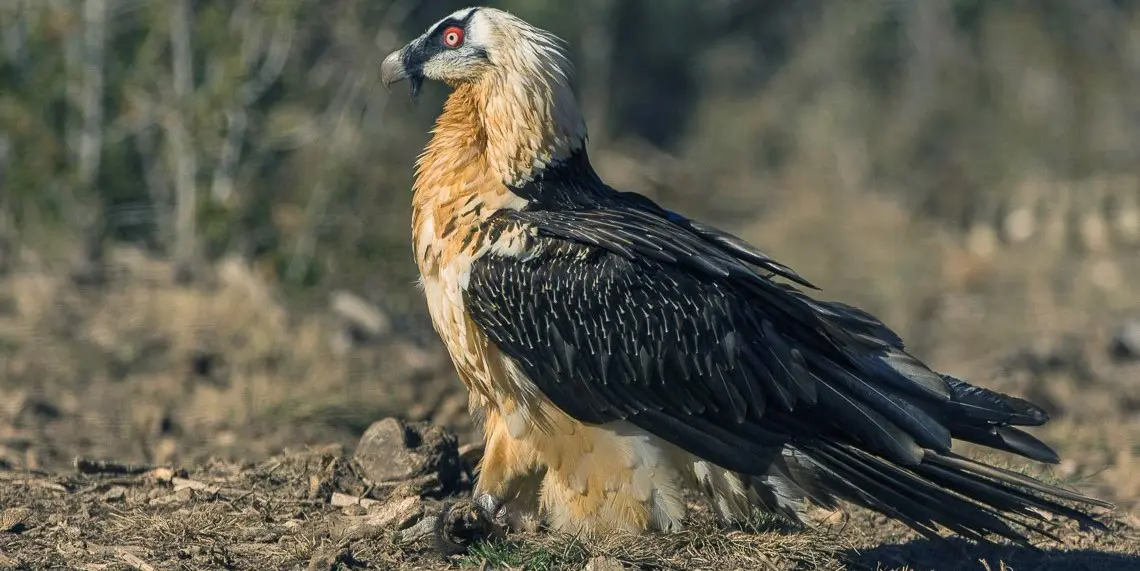
“Bearded vultures are recovering in the Alps. The wild Alpine populations were hunted to extinction in the early 1900s, but after decades of conservation work, they have rebounded to over 100 breeding pairs,” reports The Doomslayer.
The BBC describes the comeback of the bearded vulture:
These bone-smashing birds used to roam the mountains of southern Europe but were hunted into extinction in the Alps and were last seen there in the early 1900s, surviving only as tiny wild populations in some other areas of Europe. Beginning in 1986, however, and over a number of decades, conservationists released a total of over 260 bearded vultures bred in captivity into the Alpine regions of Austria, Italy, Switzerland, France and Germany.
Balthazar was among those early releases in the 1980s, and fathered the first chick raised in the wild in the Alps, after the species had been absent for decades. Today, bearded vultures are successfully breeding and raising chicks in the wild again. In 2025, the wild population of bearded vultures in the Alps passed 100 breeding pairs for the first time, to a total of 118. The population is self-sustaining.
Bearded vultures are majestic, cliff-nesting birds with wing spans of 8.2 feet or more….They are the only animal that is ossivorous, meaning, they feed mainly on bones…The birds scavenge bones from carcasses, then drop them onto rocks from a great height to smash them into smaller pieces. They often have favorite bone-breaking sites, known as ossuaries, close to their nests.
The wood stork is no longer endangered in the United States, with its numbers growing to at least 10,000 pairs.
Red-necked ostriches are replacing similar birds that went extinct in Arabia.
“The Kākāpō, a critically endangered, flightless, owl-faced parrot from New Zealand, is expected to have a very fruitful mating season this year,” reports The Doomslayer.
Brazil’s rarest parrots have made a comeback, avoiding extinction.