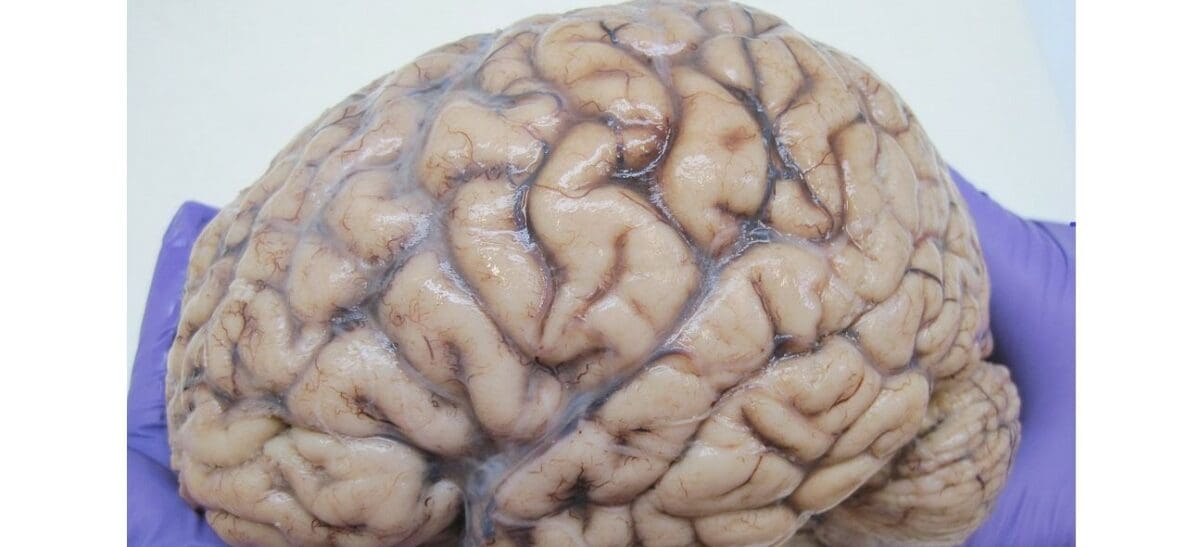
“Neuralink has now implanted its brain chip in 21 people with paralysis, allowing them to use digital tools like computers and cameras with their minds. According to a company blog post, some chip recipients can now operate a computer as fast or faster than the typical able-bodied user,” reports The Doomslayer.
It has been “two years since” Neuralink “officially began testing on humans.” The 21 people implanted with the brain chip is an “increase from the 12 people the company in September said had received its chips and were using them to control digital and physical tools through thought,” Reuters says.
Neuralink says:
Neuralink is building brain-computer interfaces (BCI) that will return autonomy to people with unmet medical needs. Our first product, Telepathy, aims to enable people with paralysis to directly control computers, phones, and robotic limbs using their thoughts alone. Telepathy records neural activity directly from the brain regions responsible for the muscles of the hands and arms and translates those signals into digital commands, bypassing damaged neural pathways.
Building such technology requires exploration—from understanding the information encoded in neural signals, to the intricate anatomy and physiology of the brain, to the user experience of telepathic control. Our work is driven by our partnership with the Neuralnauts: the early participants of clinical trials who step forward to pioneer BCI progress.
With a growing crew of 21 Neuralnauts enrolled in trials worldwide, we are making exciting progress. This article highlights what we have learned from our trial participants, the milestones we have reached together, and how their participation is driving BCI technology.
Telepathy aims to enable people with paralysis to engage with the world as naturally as they would with their own hands.
Initially, participants control a computer cursor by attempting to physically move their hand. Yet within minutes, they often forget about their hand, finding the cursor simply moves to their intended destination. Some participants, such as Noland, the first Neuralink recipient, have even reported the cursor arriving at the right place before they consciously realized where they wanted it to go.
Earlier, scientists at Stanford “built a brain implant that can translate a person’s internal thoughts into spoken words in real time. This system taps into the motor cortex, bypassing the need to attempt actual speech, and even includes a mental ‘password’ that can turn the thought decoding on and off.”
In 2024, a Neuralink brain implant recipient rejoinced in the fact that he could move a computer mouse just by thinking. “The first human patient implanted with a brain-chip from Neuralink appears to have fully recovered and is able to control a computer mouse using their thoughts,” reported The Guardian. “The firm successfully implanted a chip on its first human patient…after receiving approval for human trial recruitment….The study uses a robot to surgically place a brain-computer interface implant in a region of the brain that controls the intention to move, Neuralink has said, adding that the initial goal was to enable people to control a computer cursor or keyboard using their thoughts.”




Ab77bet – not my favorite, but hey, I won a few bucks! Could be better, could be worse. Take a look for yourself: ab77bet
WG777, heard some buzz about it. Gave it a spin, alright gameplay honestly. Could use a better design but the win rate is pretty decent. Worth a try maybe: wg777
Crazy 777 JILI, now we’re talking! Classic vibes. Got the app, easy to download and play. Won some, lost some but all in good fun. Link here: crazy 777 jili