“Recent research from Vanguard finds that AI does not yet seem to be having a strong effect on employment in the United States. According to their analysis, both wage and job growth were faster in AI-exposed industries than in the economy as a whole between mid-2023 and mid-2025,” reports The Doomslayer. The analysis finds
that both wage and job growth increased over the past two years in the occupations most exposed to AI, compared with those with less exposure.
A separate survey, meanwhile, found that most institutional investors and CEOs expect AI to drive an increase in hiring across all levels in 2026…
Vanguard looked at a Labor Department database with detailed information on nearly every occupation in the U.S. — things like skill and knowledge requirements and day-to-day responsibilities.
It identified jobs where people perform tasks that can be augmented or replaced by AI — data analysis, for example— as well as roles with low exposure to AI, like construction or cleaning.
What they found: Real wages increased 3.8% in the occupations with the highest AI exposure from the second quarter of 2023 to the second quarter of 2025, compared with 0.7% in all other occupations.
Job growth was up 1.7%, compared with a 0.8% gain.
Artificial intelligence courses and majors are multiplying amid soaring employer demand.
The head of the Federal Reserve says that artificial intelligence has cut hiring of entry-level employees to near zero, though. It is not clear if that is actually true. For every job that is wiped out by artificial intelligence, there may be other jobs that are created by it, especially if artificial intelligence makes businesses more profitable and better able to expand their operations.
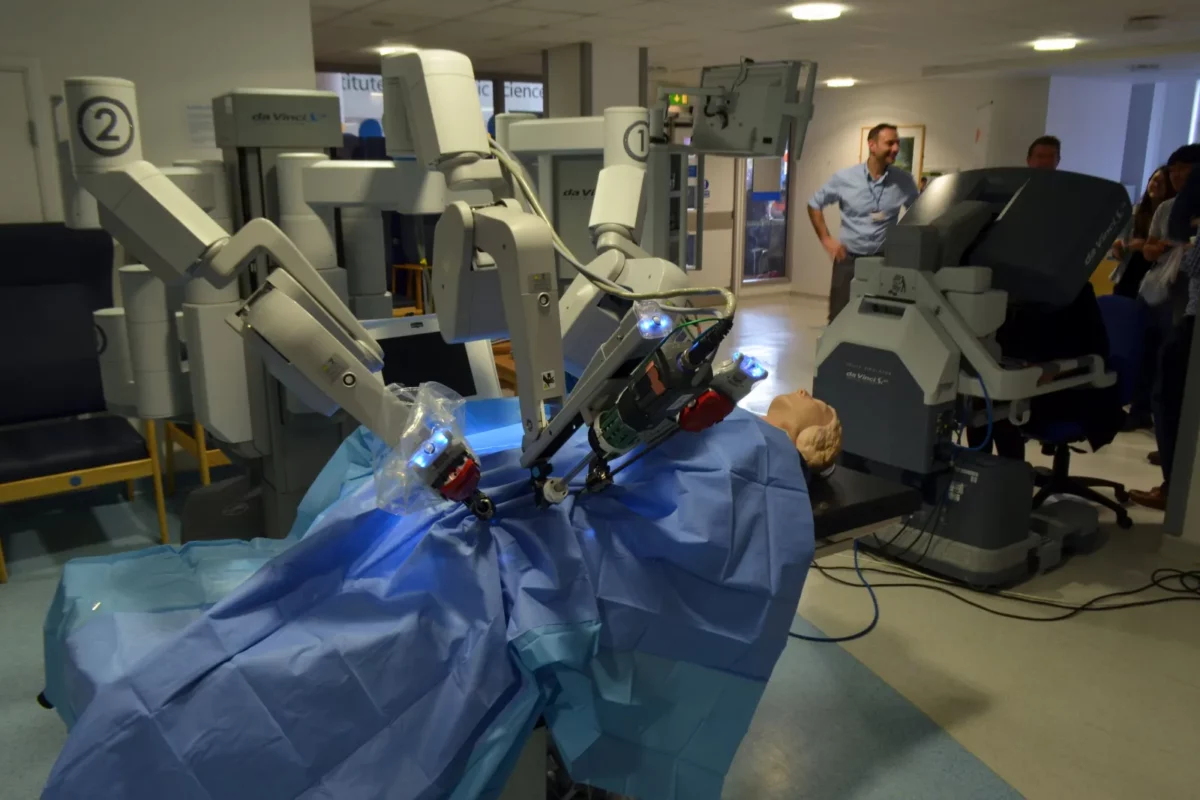
Robots with artificial intelligence are spreading on Japanese farms and robots are being used as waiters in restaurants in Korea.
The nation of Zambia, which is poor and heavily in debt, found new mineral wealth using artificial intelligence.
An artificial intelligence algorithm outperforms radiologists in diagnosing prostate cancer from MRI scans, reports Inside Precision Medicine. It also cuts false positive diagnoses in half, according to a study.



https://shorturl.fm/Bhzb9
Tried ktslots1 the other day. Pretty standard stuff, you know? Some familiar titles. Might be worth a spin if you’re after something simple. Check them out at ktslots1.