
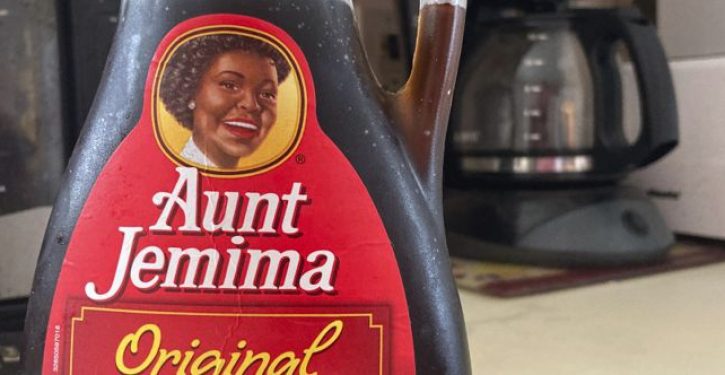
“As demand for syrup has surged in recent years, Quebec’s maple industry is evolving too, adding millions of new taps and turning to automation and better technology to satisfy a growing global sweet tooth,” reports The Canadian Press.
A maple syrup producer in eastern Quebec “has made a number of investments in recent years to increase production and profit. That has included running pipes underground, adding internet and cameras in pumping stations and buying three electric evaporators at a cost of about $250,000 each…Monitors on the trees and in stations alert employees if there’s a leak, temperature change or problem with a pump.”
“Out in the forest, the clear sap bubbles slowly from the trees into blue and green tubing. From there, they’ll be brought to the 25 pumping stations, and then sent through underground pipes to the warehouse. The sap will be filtered before going through a reverse osmosis process that removes most of the water and concentrates the sap before boiling, saving time. The evaporator then goes to work, transforming sap to syrup that is then filtered again before being put into containers or cans for sale.”
Joël Vaudeville, the communications director for Quebec’s maple producers’ association, notes that maple syrup is big business in Quebec, which exports about $800 million per year. International demand has risen 19 per cent over the last year, forcing Quebec to dip into its strategic maple syrup reserve, which stockpiles syrup when production exceeds demand, and sells it when demand outstrips production.
In 2025, the maple producers association “authorized seven million new taps — each tree has one to three — which are expected to produce an additional 20 million pounds of syrup for year by 2028. More than 600 new maple businesses have also been created in recent months, he said. Émilie Blondeau is one of the province’s newer producers, having started ShackHam Maple Farm in 2024. The 28-year-old, whose sugarbush counts about 10,000 taps in the Eastern Townships region, said she entered the business for both practical and sentimental reasons. Blondeau, an agricultural economist by trade, said she was also attracted by the heritage aspect of maple production, and its tradition of family-run businesses.”
Blondeau’s mother co-owns her company, and her 1-year-old and 3-year-old kids, “live in the woods with us. It’s extremely unifying,” she added.
The Canadian Press notes that “while Blondeau has chosen to buy all the equipment needed to produce syrup from start to finish,” other maple producers “sell their syrup” to be processed by “other, larger producers, like Côté et fils.”