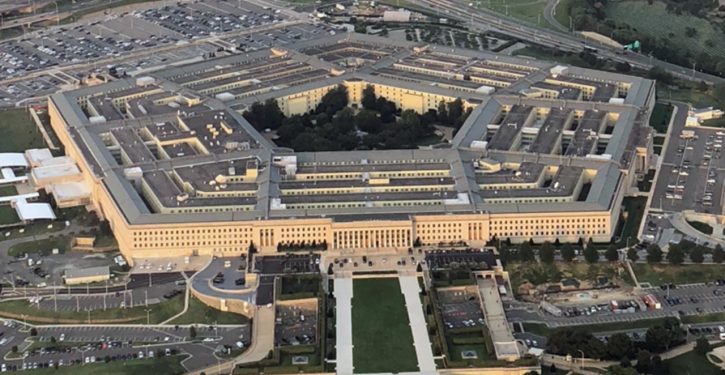
Today, Anthropic filed a lawsuit to block the Pentagon from placing it on a national security blacklist, part of the artificial intelligence lab’s fight with the military over usage restrictions on its technology.
Anthropic said in its lawsuit that placing it on a national security blacklist was unlawful and violated its free speech and due process rights. The lawsuit was filed in a San Francisco federal court. The lawsuit asks the court to overturn its inclusion on the blacklist and to block federal agencies from enforcing it.
“These actions are unprecedented and unlawful. The Constitution does not allow the government to wield its enormous power to punish a company for its protected speech,” Anthropic declared.
On March 5, the Defense Department designated Anthropic a supply-chain risk, which a news report notes limits the
use of a technology that a source said was being used for military operations in Iran. Defense Secretary Pete Hegseth designated Anthropic after the startup refused to remove guardrails against using its AI for autonomous weapons or domestic surveillance. The two sides had been in increasingly contentious talks over those limitations for months, Reuters first reported.
Anthropic officials said the lawsuit doesn’t preclude re-opening negotiations with the U.S. government and reaching a settlement. The company has said it does not want to be fighting with the U.S. government….Last week, a Pentagon official said the two sides were no longer active talks.
The designation poses a big threat to Anthropic’s business with the government, and the outcome could shape how other AI companies negotiate restrictions on military use of their technology, though the company’s CEO Dario Amodei clarified on Thursday that the designation had “a narrow scope” and businesses could still use its tools in projects unrelated to the Pentagon.
President Donald Trump has also directed the government to stop working with Anthropic, whose financial backers include Alphabet’s Google and Amazon.com. Trump and Hegseth said there would be a six-month phase-out.