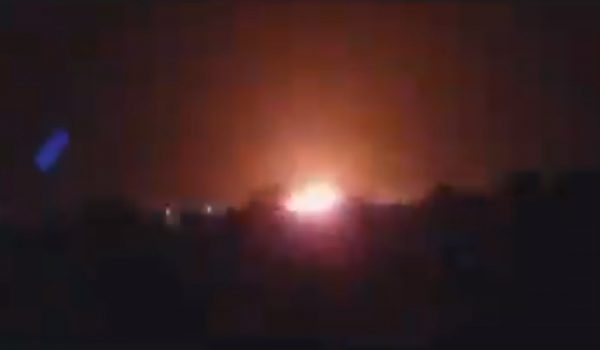
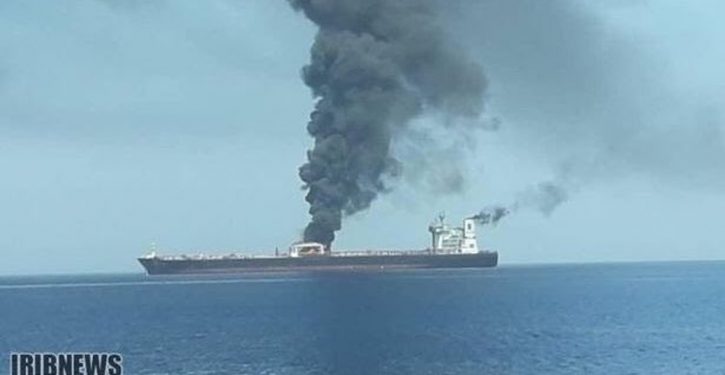
The Iran war will cut oil production in the Persian Gulf a lot this year, even if it ends soon. That’s because it takes weeks to restart oil wells that have been shut down due to the war. That big cut in oil production will increase oil prices for months, and the higher oil prices will harm many farmers by increasing the cost of the fertilizer they need, which is produced using petroleum and natural gas. That could reduce the amount of food grown.
Qatar, a small country in the Persian Gulf that has been hit by Iranian missiles, is one the world’s big three exporters of liquefied natural gas (almost as big an exporter as America and Australia). Qatar cut “its huge volumes of gas exports on Wednesday after Iranian drone attacks, and it may take at least a month to return to normal production levels, sources told Reuters. Qatar supplies 20 percent of global liquefied natural gas (LNG).”
An investment manager based in New Jersey explains:
The Strait of Hormuz, a critical waterway for the transport of oil from the Persian Gulf, may be impassable for weeks or longer. Without access to the Strait, and with storage facilities nearly full, many oil producers in the region will temporarily shut oil wells. Once closed, those wells will take several weeks or longer to restart. Hence, even after the Strait is passable, it will take some time for oil production to recover. Unless a compromise is negotiated soon, it’s likely to be months before global oil production returns to normal levels.
Similar concerns apply to liquid natural gas, a fuel that Europe and Asia depend on, and nitrogen-based fertilizers, which are important to global crop supplies…
The price of crude oil has already risen 50% in recent days and will likely go higher. Those increases will be reflected at the gas pump. Higher fertilizer prices may lead to higher food prices later in the year. And higher liquid natural gas prices will impact manufacturing costs in many overseas economies. Those inflationary pressures are likely to delay any rate cuts by the Federal reserve.
Natural gas is the primary feedstock for producing nitrogen-based fertilizers, essential for global agriculture. It provides hydrogen for creating ammonia via the Haber-Bosch process, representing a major portion of fertilizer production costs. Natural gas is also used as fuel to create necessary high pressures and temperatures in manufacturing.